


China Tel: +86-13761540945
Thailand Tel: +66 99 109 1956
Thailand Tel: +66 92 242 5845
liwu78465@gmail.com



Medium Duty Rack Supplier
-
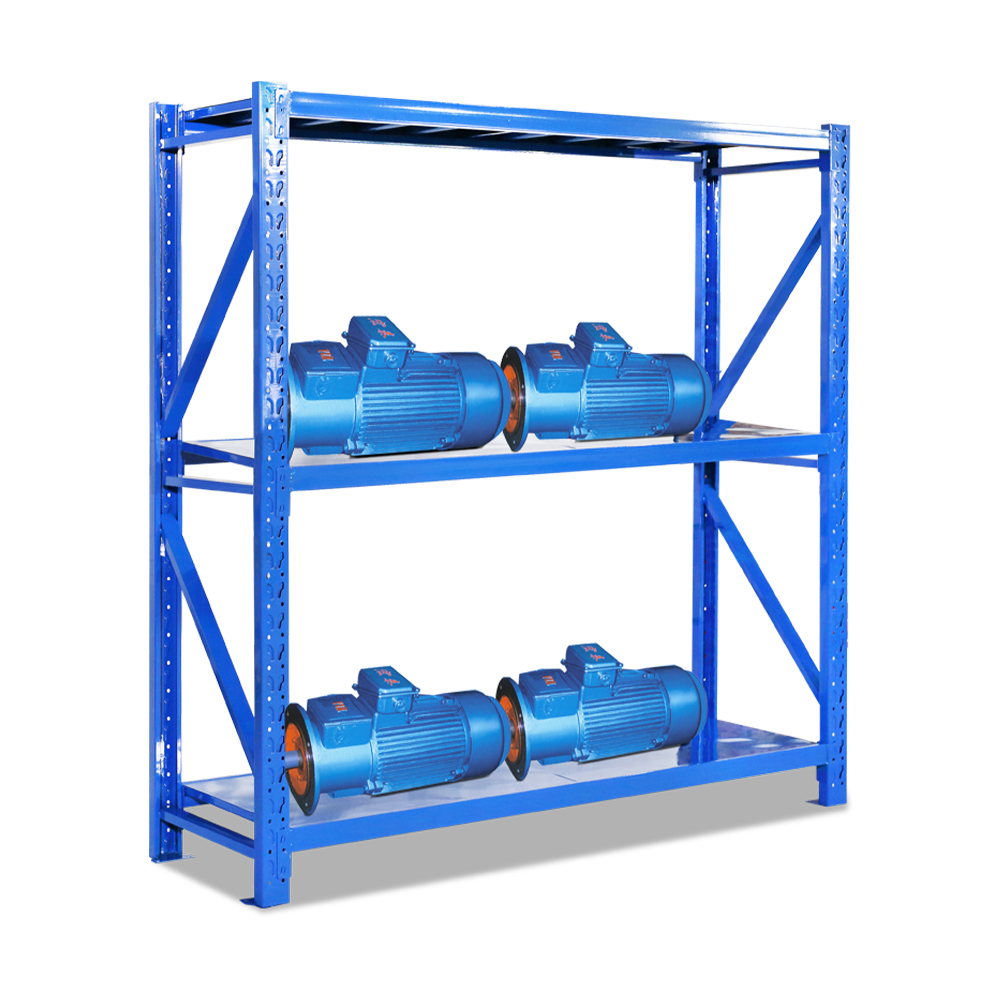 Medium Duty Steel Storage Rack with Corrosion Protection for Factory Warehouse Stacking Shelves
·Medium-Duty High Load-Bearing Storage Rack This storage rack boasts a robust load capacity of 200-50...
-
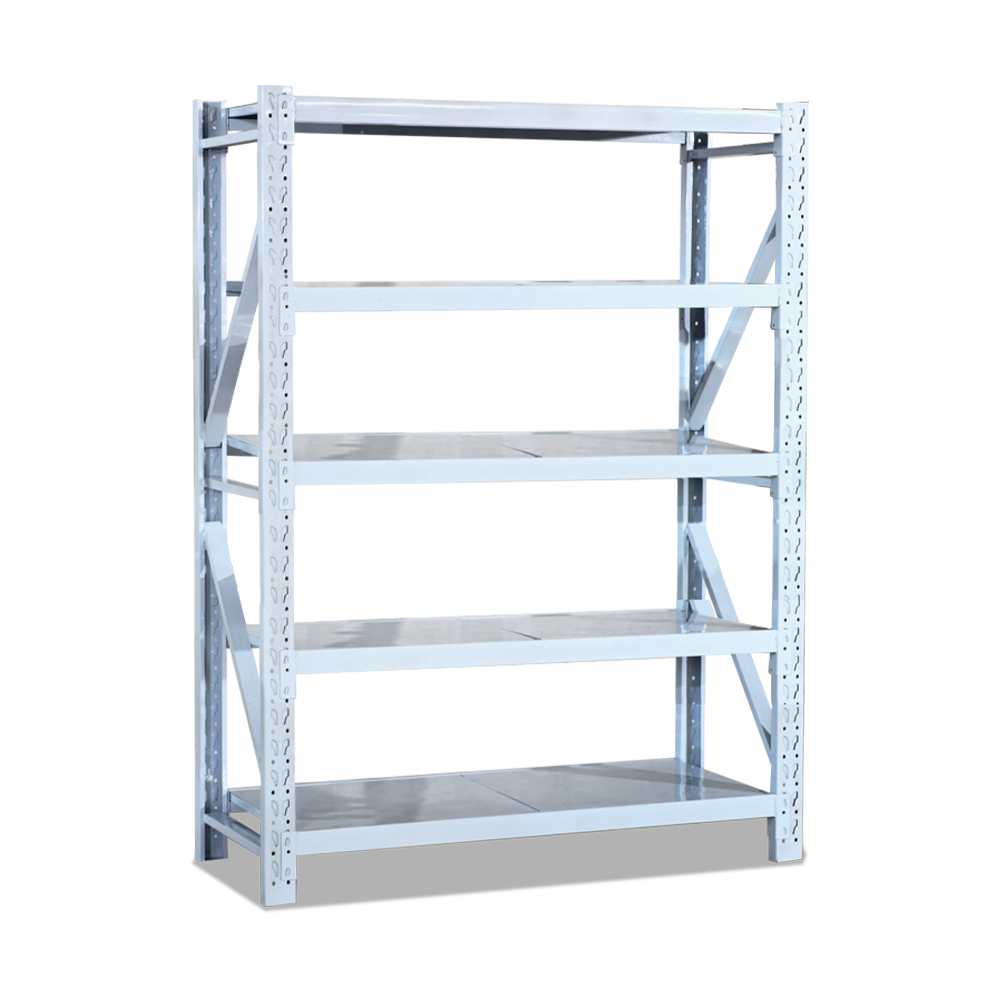 Medium-Duty Anti-Rust Steel Stacking Shelves for Factory & Warehouse Use
·Reliable Storage for Home & Small Business Whether you need to store heavy tools in the garage, bulk...
Medium-Duty Rack (with a load capacity of 250-500kg per layer) is designed for the following application scenarios:
Core Application Scenarios
·Warehouses: Ideal for storing mid-weight goods, inventory, raw materials, and packaged products, suitable for general warehouse storage and sorting.
·Workshops: Perfect for organizing tools, spare parts, mechanical components, and semi-finished products, meeting the storage needs of light industrial processing.
·Commercial Logistics Centers: Used for sorting and storing goods in medium-sized logistics hubs, retail distribution centers, and wholesale markets.
This rack features high-strength construction, flexible assembly, and adjustable height, making it highly suitable for mid-load storage requirements in industrial and commercial environments.
What Sets Us Apart
Who We Are
Better Shelving, Better Business
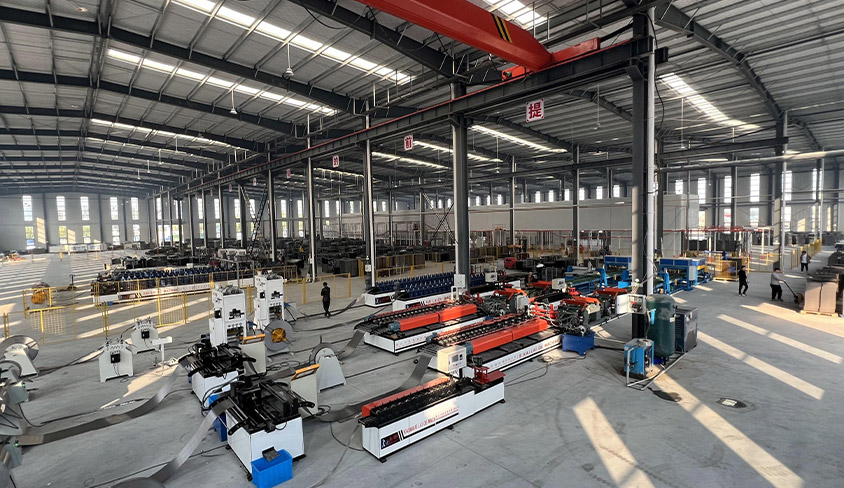
Shanghai King Global Shelf Co.,Ltd. is a leading manufacturer of shelving and storage solutions for
logistics and warehousing. Specializing in home racks, industry heavy-duty shelving, and warehouse
optimization systems. Founded in 2010, we have built strong production capability with a modern facility,
experienced team, and reliable quality control. We are China Medium Duty Rack Supplier and Wholesale Medium Duty Rack Factory, our products are designed to improve display, storage
efficiency, and space utilization for different markets. With stable quality, flexible solutions,
and responsive service, we support customers in both domestic and overseas markets.
About Us


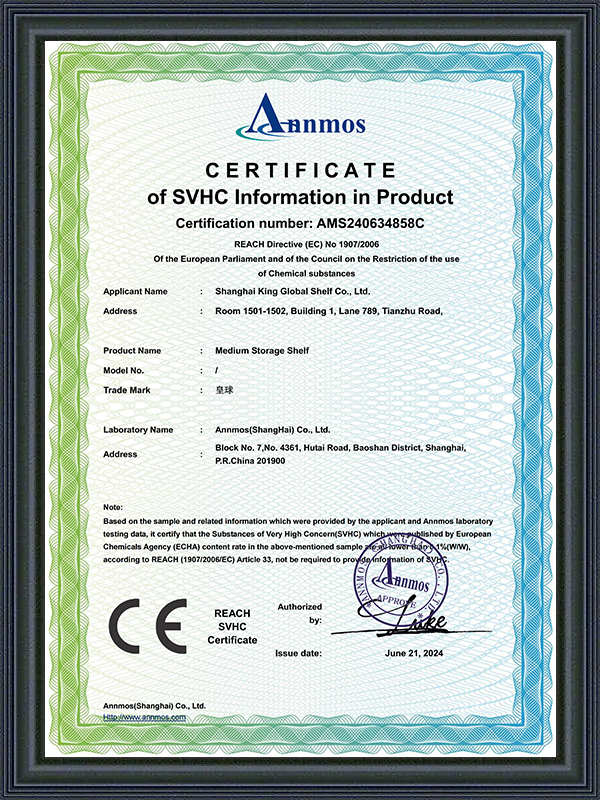
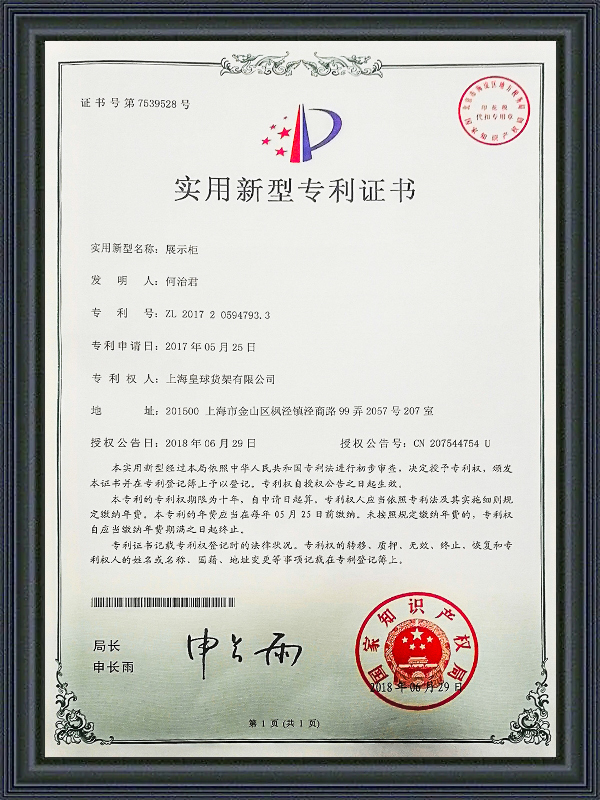
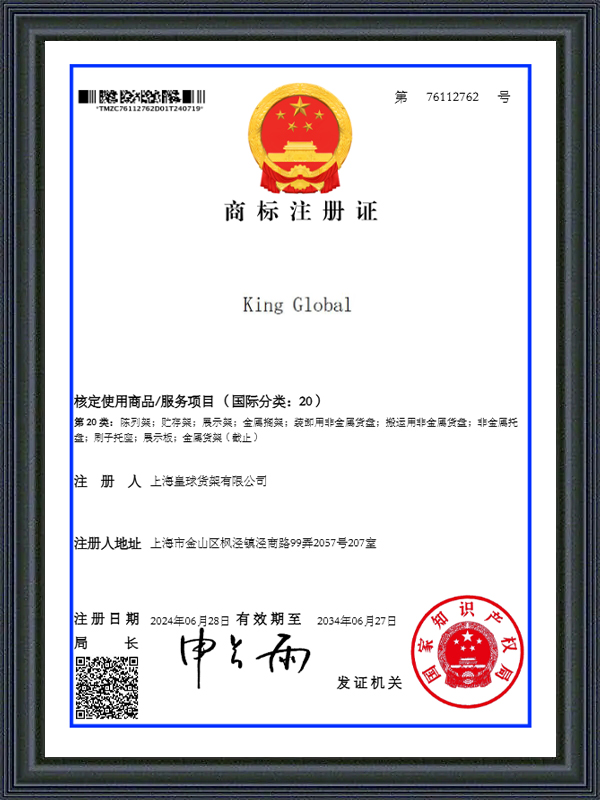
Honor
Certificate Of Honor
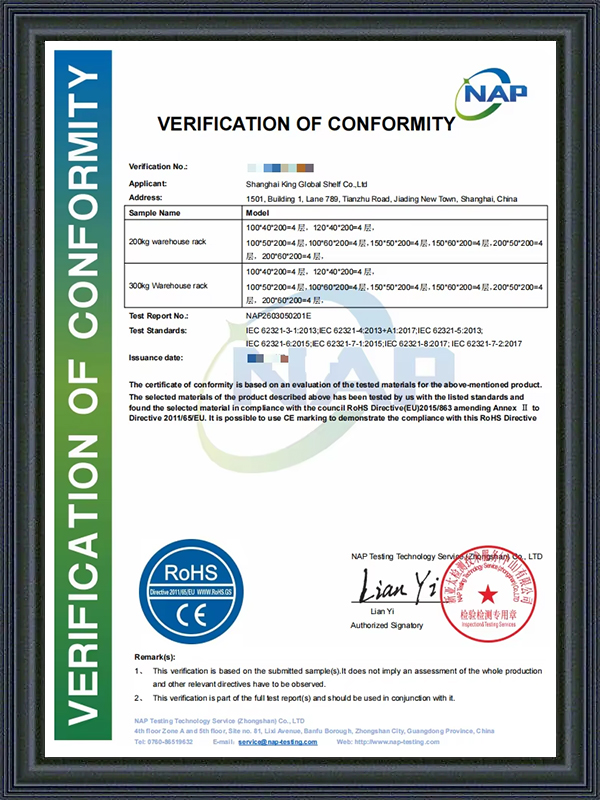
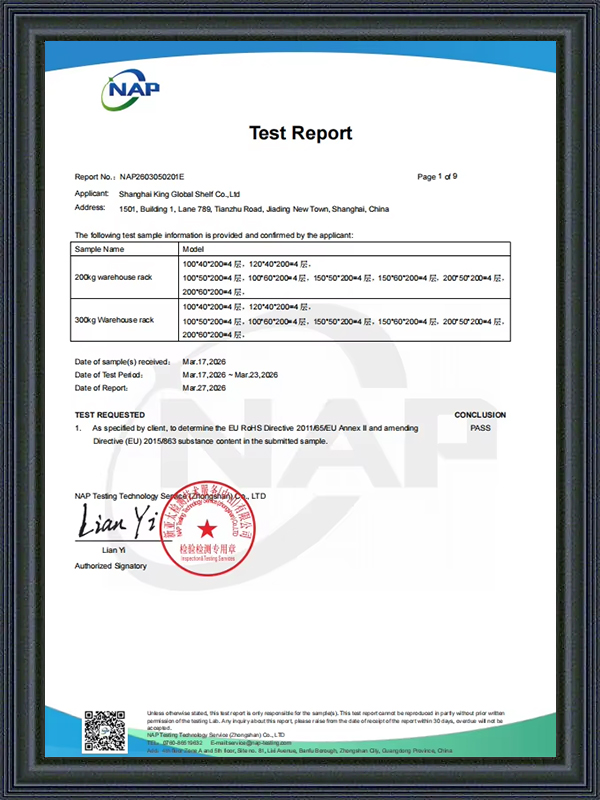
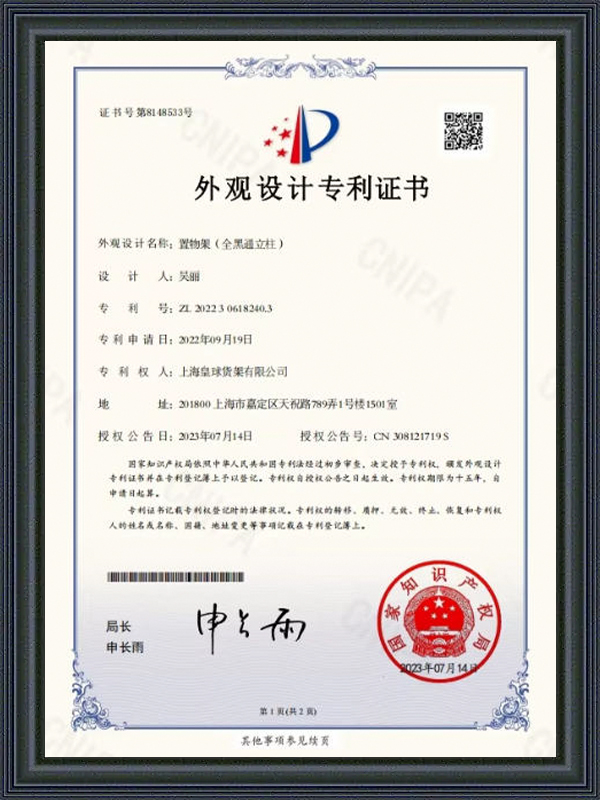
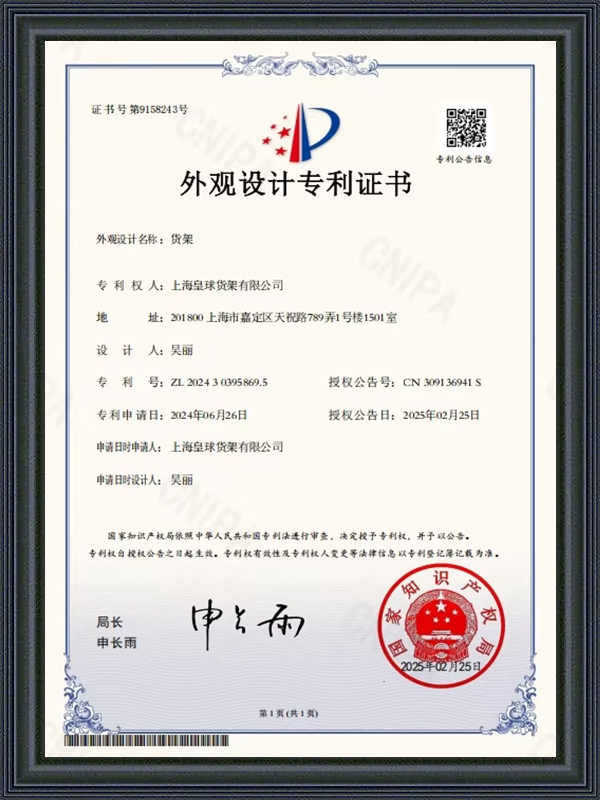
-

 2026-06-11
 Company News
-
2026-06-11
Company News
-
2026-06-11
Company News
Feedback
Message Feedback
Knowledge
Medium Duty Rack Industry knowledge
1. 中量ラックシステムの概要
A 中量ラック は、中程度の荷重 (一般に 1 層あたり 250 ~ 500 キログラムの範囲内) に耐えられるように設計された棚構造で、軽量棚と重量パレット ラックの間に配置されます。このカテゴリの保管機器は、垂直支柱、水平ビーム、棚パネルのフレームを中心に構築され、倉庫や作業場の床全体に拡張できる安定した反復可能なモジュールを形成します。中量ラックの構造により、重いパレット システムで通常使用される強化鋼セクションを必要とせずに、箱入りの商品、ビン、カートン、および中程度のサイズのコンポーネントを運ぶことができます。在庫の高さに応じて層の間隔をあけて調整できるため、保管ニーズが小さな部品の整理とパレット全体の取り扱いの間にある場合は、中量ラックがよく選択されます。このラック タイプは、多くの業界で、容量、柔軟性、設置の容易さの間の実用的なバランスを提供します。
中量ラックの多用途性は、時間の経過とともに変化する在庫パターンに応じて再構成できるモジュラー設計によるものです。通常、ビームは直立フレームに沿って位置を変更して、背の高いアイテムや短いアイテムに対応でき、追加のベイを横に追加して保管幅を拡張できます。この適応性により、中量ラックは、製品構成や注文量が年間を通じて変動する環境において一般的な選択肢となっています。固定棚ユニットとは異なり、適切に設計された中量ラック システムは段階的な拡張をサポートするため、施設は構造全体を交換することなく保管容量を拡張できます。
2. 構造設計と動作原理
(1) コアコンポーネント
中量ラックの動作原理は、三角形のフレームによる荷重分散に基づいています。垂直支柱は通常、冷間圧延鋼の形材で形成され、圧縮荷重の大部分を支え、それをベース プレートを通じて床に伝えます。水平ビームは対向する支柱を接続し、棚板を支え、保管品の重量をフレーム全体に均等に分散します。横方向の揺れに抵抗し、全体の剛性を向上させるために、直立フレームに斜めまたはクロスブレースが組み込まれることがよくあります。用途に応じてパーティクルボード、ワイヤーメッシュ、スチールパネルなどのシェルフパネルがビームの上に置かれ、箱、トートバッグ、またはバラしたアイテムの実際の保管面を提供します。
(2) ラックカテゴリ間の耐荷重比較
以下の表を検討する前に、中量ラックが他の一般的な棚カテゴリと各層の耐荷重の点でどのように比較されるかを理解しておくと役立ちます。保管機器は通常、各棚レベルが耐えられるように設計されている重量に基づいて、3 つの大きなカテゴリに分類されます。軽量棚は小さな部品、書類、少量のアイテムを対象としていますが、中型ラックはカートン、ビン、および混合在庫に適した中間の範囲にあります。頑丈なパレットラックは、パレットに積まれた商品や大量の流通環境向けに予約されています。以下の表は、各カテゴリに関連する層ごとの典型的な負荷範囲を比較した例を示しており、より広範なストレージ機器の状況の中で中負荷ラックがどこに適合するかを明確にするのに役立ちます。
上の棒グラフは、ストレージ機器業界全体で見られる一般的なパターンを示しており、軽負荷から中負荷、そして高負荷のカテゴリへと負荷容量がどのように段階的に増加するかを示しています。グラフに示されているように、軽量棚は最も低い範囲を占め、通常、棚あたり最大約 200 キログラムまでサポートできるため、小型コンポーネントや軽量カートンに適しています。中量ラックは中央の位置を占め、通常 1 層あたりの容量は 250 ~ 500 キログラムであり、軽量の保管とフルパレットの取り扱いの間の橋渡しとしての役割を反映しています。この中間の位置がまさに、中型ラックが小売倉庫、電子商取引フルフィルメント センター、在庫が小型部品よりも重いもののパレットでの取り扱いを必要としない軽製造環境で好まれる理由です。ヘビーデューティおよびパレットラックは 1 層あたり 500 キログラムを超え、多くの場合、個々の棚パネルではなくビームに直接置かれたパレット荷重によって支えられます。グラフに示されている段階的な進行は、3 つのカテゴリ間で使用されるフレームの厚さ、ビーム プロファイルの深さ、ブレース密度の違いも反映しています。一般に、より高い荷重をサポートするには、より厚い直立プロファイルとより深いビームセクションが必要です。そのため、実際にはヘビーデューティーフレームが中デューティーフレームよりも見た目に大きく見えます。ストレージのニーズを評価している施設にとって、この比較は、中荷重ラックが単に小型の高荷重ラックではなく、特定の荷重帯域に最適化された別個のカテゴリであることを明確にするのに役立ちます。実際の在庫重量に基づいて正しいカテゴリを選択すると、大型の高耐久システムの十分な活用と、軽量棚の過小評価による構造的負担の両方を回避できます。したがって、このチャートは、施設が最終的な選択を行う前に、在庫プロファイルと利用可能なラック カテゴリを比較するための開始基準点として機能します。
3. 中量ラックの一般的な種類と特徴
中量ラックにはいくつかの構成があり、それぞれがわずかに異なる保管パターンに適しています。これらのバリエーションを理解することは、施設が運用ワークフローに合ったレイアウトを選択するのに役立ちます。
- ボルトレスのリベット棚: リベットとスロット接続システムを使用して組み立てられているため、工具を使用せずに迅速なセットアップと簡単な高さの再構成が可能です。
- ロングスパン棚: 幅の広いベイスパンが特徴で、かさばるカートンや、標準の棚の寸法に収まらない不規則な形のアイテムに適しています。
- 調整可能なビームラック: 複数の高さ位置で直立フレームに固定されるビームを使用し、在庫の変更に応じて柔軟な再構成を提供します。
- メザニン対応ラック: 1 階より高いプラットフォームレベルをサポートするように設計されており、同じ設置面積内で使用可能な保管領域を効果的に 2 倍にします。
これらの各構成は、カートン、ビン、および混合在庫に適した積載範囲と、大規模な構造の手直しなしで調整が可能なフレームと組み合わせた、中量ラックの共通の特性を共有しています。この柔軟性は、中型ラックをより剛性の高い固定棚フォーマットから区別する決定的な特徴の 1 つです。
4. 適用シーンと選定のポイント
(1) コアアプリケーションシナリオ
中量ラックは、在庫重量と取り扱い頻度が中程度の範囲に収まる幅広い設定に適用されます。
- 倉庫: 一般的な保管および仕分け作業のために、中重量品、在庫、原材料、および包装された製品を保管します。
- ワークショップ: 軽工業加工用の工具、スペアパーツ、機械部品、半製品を整理します。
- 商業物流センター:中規模の物流拠点、小売流通センター、卸売市場での商品の仕分けと保管。
(2) 選定基準の概要
ストレージ オプションを比較する場合、通常、最終的なレイアウトが選択される前に、いくつかの要素が相互に比較検討されます。以下のレーダー チャートは、特定の施設の棚の適合性を評価する際によく考慮される 5 つの側面をカバーする一般的な評価フレームワークを示しています。このビジュアルは、単一の製品の評価ではなく、教育上の参考として意図されており、カテゴリとしての中量ラックに関連する一般的な特性を反映しています。これらの側面を一緒に確認すると、施設管理者がさまざまなストレージ構成に伴うトレードオフを理解するのに役立ちます。 5 つの次元には、耐荷重、組み立ての柔軟性、スペース効率、耐久性、さまざまな在庫タイプにわたる汎用性が含まれます。
上のレーダー チャートは、中型ラックが各軸の最大可能範囲と比較して、一般的に参照される 5 つの評価次元にわたって通常どのようにスコアを付けるかを示しています。影付きの領域が示すように、このラック カテゴリは、ほとんどの中量負荷システムが特殊なツールなしで再構成を可能にする調整可能なビーム接続を使用しているため、組み立ての柔軟性で中程度のスコアを獲得する傾向があります。スペース効率も比較的良好であり、限られた設置面積内で複数のベイやレベルに中型ラックを配置できることを反映しています。このラック カテゴリは、特殊な付属品を必要とせずに、箱入り商品から機械コンポーネントに至るまで、さまざまな在庫タイプの幅広い組み合わせに対応できるため、多用途性がグラフに顕著に現れています。耐久性は、ほとんどの中型フレームで使用される鋼構造と一致する中程度のレベルであることが示されていますが、連続的な機械的取り扱いのために構築されたより重いパレット ラック システムに通常関連付けられる耐久性レベルを下回っています。耐荷重はグラフの中央付近に位置しており、この記事で前述した軽負荷カテゴリと重負荷カテゴリの間の位置を強化しています。施設が独自の優先順位をこのようなチャートに重ね合わせると、中型ラックが運用ニーズに適合しているかどうか、または別のカテゴリの方が適切であるかどうかが簡単にわかります。たとえば、他のすべての要素よりも最大積載量を優先する施設では、代わりに頑丈なラックを優先する可能性があります。逆に、頻繁な再構成と適度な負荷処理を重視する施設では、中負荷ラックのプロファイルがその要件によく適合する可能性があります。このタイプの比較視覚化は、倉庫レイアウト プロジェクトの初期計画段階で実用的なツールです。また、これは、選択が負荷のみなどの単一の要因に依存すべきではなく、複数の運用上の優先順位を組み合わせた観点に依存すべきである理由を説明するのにも役立ちます。
5. 中量ラックと他のカテゴリの比較
以下の表は、いくつかの実用的な寸法にわたる軽荷重、中荷重、および重荷重のラック カテゴリの一般的な違いをまとめたもので、利用可能なオプションを比較する施設の参照点となります。
| カテゴリ | 層あたりの標準的な負荷 | 共通素材 | 典型的な使用例 |
|---|---|---|---|
| 軽作業 Rack | 100~200kg | 冷間圧延鋼、パーティクルボード | 小さな部品、書類、少量の SKU |
| 中量ラック | 250~500kg | 冷間圧延または熱間圧延鋼 | カートン、ビン、混合在庫、小売在庫およびフルフィルメント在庫 |
| ヘビーデューティ Rack | 500kg以上 | 熱間圧延鋼 | パレット化された商品、大量流通 |
表に示されているように、中荷重ラックは、特に構造材料と調整機能のバランスの点で、軽量および重量の代替品とは一線を画す明確な位置を占めています。この位置付けが、中型ラックが一般倉庫と軽工業用保管庫全体で最も広く適用されるカテゴリの 1 つであり続ける主な理由です。
6. 組み立てと高さ調整の原理
中量ラックの実際的な利点の 1 つは、直立フレームに沿ってビームの高さを調整できる点にあります。以下の折れ線グラフを確認する前に、ほとんどの中型支柱には、高さに沿って一定の間隔で配置された一連の接続ポイントが含まれていることを理解するのに役立ちます。これらの接続ポイントにより、ビームの位置を変更して、保管するアイテムのサイズに応じて、より低いまたはより高い棚コンパートメントを作成できます。このグラフは、利用可能な接続ポイントの数が、一般的な直立フレーム全体で使用可能なシェルフ構成の範囲にどのように関係しているかを示しています。この調整機能は、モジュール式中量ラックと固定シェルフ ユニットを区別する決定的な特徴です。
The line chart above shows a generalized upward relationship between the number of connection points along an upright frame and the number of usable shelf configurations that can be created. As the chart demonstrates, an upright with only two connection points offers limited flexibility, restricting the rack to a single fixed shelf spacing. As the number of connection points increases, represented along the horizontal axis, the number of practical configurations rises correspondingly, shown by the upward trend of the line. This relationship is central to why a medium duty rack with finely spaced connection points can accommodate a wider variety of item heights within the same physical footprint. A facility storing uniform carton sizes may not require many configuration options, while a facility with mixed inventory heights benefits significantly from a densely spaced upright. The chart also indicates that returns from additional connection points continue increasing steadily rather than plateauing early, suggesting that finer adjustment intervals consistently add practical value up to a reasonable point. In real installations, connection points are commonly spaced at regular intervals such as every fifty millimeters, giving installers fine control over beam height. This level of adjustability also supports future changes in inventory strategy, since a facility can reconfigure shelf spacing without purchasing new frames. From an operational standpoint, this reduces downtime associated with layout changes and supports more efficient use of vertical warehouse space. The relationship depicted in the chart is therefore not just a structural detail but a factor that directly influences long term storage flexibility. Facilities planning for seasonal inventory changes or evolving product lines often prioritize uprights with a higher density of connection points for this reason. Overall, the chart reinforces why adjustability is frequently listed among the practical advantages of medium duty racking systems.
7. Maintenance Guidance for Medium Duty Racks
Regular maintenance helps preserve the structural performance of a medium duty rack over its service life. Before reviewing the column chart below, it is worth outlining the general categories of inspection that facilities commonly schedule for racking systems. These categories range from simple visual checks performed frequently to more detailed structural reviews performed less often. Understanding the relative frequency of each inspection type helps facility staff plan a maintenance routine that fits their operational schedule. The chart below presents a general illustration of how often each inspection category is commonly scheduled within a calendar year.
The column chart above provides a general overview of how frequently different inspection categories are commonly scheduled for racking systems in a typical facility. Visual inspection appears as the most frequent category, often conducted on a monthly basis by warehouse staff who look for visible damage, misaligned beams, or signs of impact from forklifts and other equipment. Structural inspection is shown at a lower frequency, commonly reviewed on a quarterly basis, involving a closer look at bolt tightness, frame alignment, and any signs of bending along the uprights or beams. Load review, which involves confirming that stored weight remains within the intended range for each shelf level, is depicted at an even lower frequency, often reviewed twice per year as inventory patterns shift. Deep inspection, representing the most thorough review of the entire rack system, is shown at the lowest frequency, typically conducted once annually or when a facility undergoes a significant layout change. This general pattern reflects a common approach in warehouse maintenance planning, where lighter and more frequent checks are paired with less frequent but more detailed reviews. Following a routine along these lines can help identify early signs of wear, such as surface corrosion, loose fasteners, or beam deflection, before they progress into larger structural concerns. Cleaning shelf surfaces regularly also supports maintenance efforts by making it easier to visually spot cracks, dents, or paint damage during routine checks. Keeping aisles clear around a medium duty rack further reduces the likelihood of accidental impact from material handling equipment. Facilities that document each inspection cycle, including dates and observations, tend to build a clearer picture of how their racking system performs over time. This kind of structured maintenance approach supports the long term serviceability of a medium duty rack across years of continuous warehouse operation.
8. Manufacturing Background and Production Considerations
The performance of any medium duty rack depends heavily on the consistency of the manufacturing process behind it, including steel selection, welding precision, and surface treatment. Shanghai King Global Shelf Co., Ltd., established in 2010, has developed production capability centered on shelving and storage solutions for logistics and warehousing applications, including medium duty rack systems designed for retail warehouses, fulfillment centers, and light manufacturing environments. Facilities that source racking components benefit from consistent frame dimensions and repeatable beam connections, since even small variations can affect how evenly a load is distributed across a bay. A stable production process also supports the layout planning discussed earlier in this article, since predictable component sizing makes it easier to calculate bay counts, aisle widths, and vertical clearance during the design stage. Corrosion resistant surface finishing is another factor that contributes to the long term condition of a medium duty rack, particularly in environments with fluctuating humidity or occasional exposure to dust and moisture. Beyond the physical rack components, planning support such as layout consultation can help align a facility's specific storage requirements with an appropriate rack configuration before installation begins.
9. Frequently Asked Questions
(1) What load range does a medium duty rack typically support?
A medium duty rack generally supports a per layer load in the range of 250 to 500 kilograms, positioning it between light duty shelving and heavy duty pallet racking in terms of capacity.
(2) How is a medium duty rack different from light duty shelving?
Light duty shelving is designed for smaller, lighter items such as documents or small parts with a lower per layer load range, while a medium duty rack is built with a sturdier frame to handle cartons, bins, and heavier mixed inventory.
(3) Can the shelf height of a medium duty rack be adjusted after installation?
Most medium duty rack systems use beams that connect to the upright frame at multiple height positions, allowing shelf spacing to be reconfigured as inventory sizes change over time.
(4) What environments are suitable for medium duty racking?
A medium duty rack is commonly applied in warehouses, workshops, and commercial logistics centers where inventory consists of packaged goods, tools, spare parts, and mixed products requiring moderate load support.
(5) How often should a medium duty rack be inspected?
Visual checks are commonly performed on a frequent basis, while more detailed structural reviews and deep inspections are typically scheduled at longer intervals, such as quarterly or annually, depending on facility usage patterns.
10. Summary
A medium duty rack provides a practical storage solution for facilities handling moderate weight inventory across warehouses, workshops, and commercial logistics centers. Its position between light duty and heavy duty categories, combined with adjustable beam configurations and a range of layout options, makes it a widely applied choice for mid-weight storage requirements. Understanding the structural principles, common types, selection criteria, and maintenance practices associated with a medium duty rack supports better decision making during the planning and operation of a warehouse storage system.
Get exclusive deals and early access to new products.
Experienced staff and experts are always available to provide you with professional guidance and solutions to technical problems.
Mobile
-
Quick Links
Home Products Cooperation Cases Company Service News Contact Us -
Product
Warehouse Rack Pallet Racking Mezzanine Racking Cantilever Racks Supermarket Shelf Office & Home Shelves -
Contact Us

E-mail: liwu78465@gmail.com

WhatsApp: 8613761540945

China Tel: +86-13761540945
Thailand Tel: +66 99 109 1956 (Line Same)
Thailand Tel: +66 92 242 5845 (Line Same)

China Address:Room 1501, Building 1, Lane 789, Tianzhu Road, Jiading District, Shanghai, China.
USA Address: 23787 Eichler St, Unit G, Hayward, CA 94545.
Malaysia Address: METROHUB 2 Warehouse 4, Lot 109363, Persiaran Bukit Rajakayangan/KU5,Bandar Bukit Raja, 41050 Klang, Selangor Darul EhsanReturn to Gate 81, Malaysia.
Thailand Address:จังหวัดสมุทรปราการ อำเภอบางเสาธง ตำบลบางเสาธง 32/7 หมู่7 ถนนบางพลี-ตำหรุ บางพลีใหญ่ Bang Phli District, Samut Prakan 10540,(TH)
