


China Tel: +86-13761540945
Thailand Tel: +66 99 109 1956
Thailand Tel: +66 92 242 5845
liwu78465@gmail.com



Clothing Rack Supplier
-
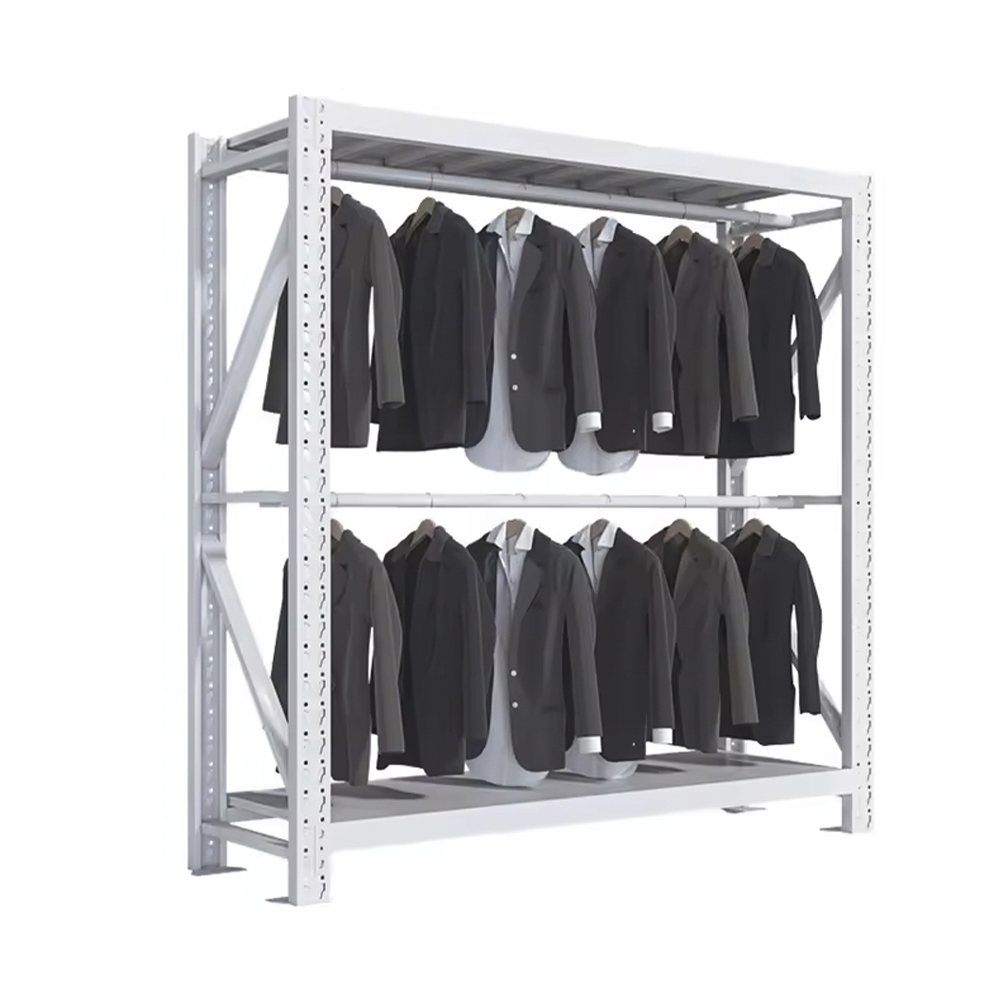 Corrosion Protection Garment Rack for Clothes Storage Hanging Coats Apparel
【Dual-Use Adjustable Clothing Storage Rack】 This innovative clothing storage rack features a dual-use...
-
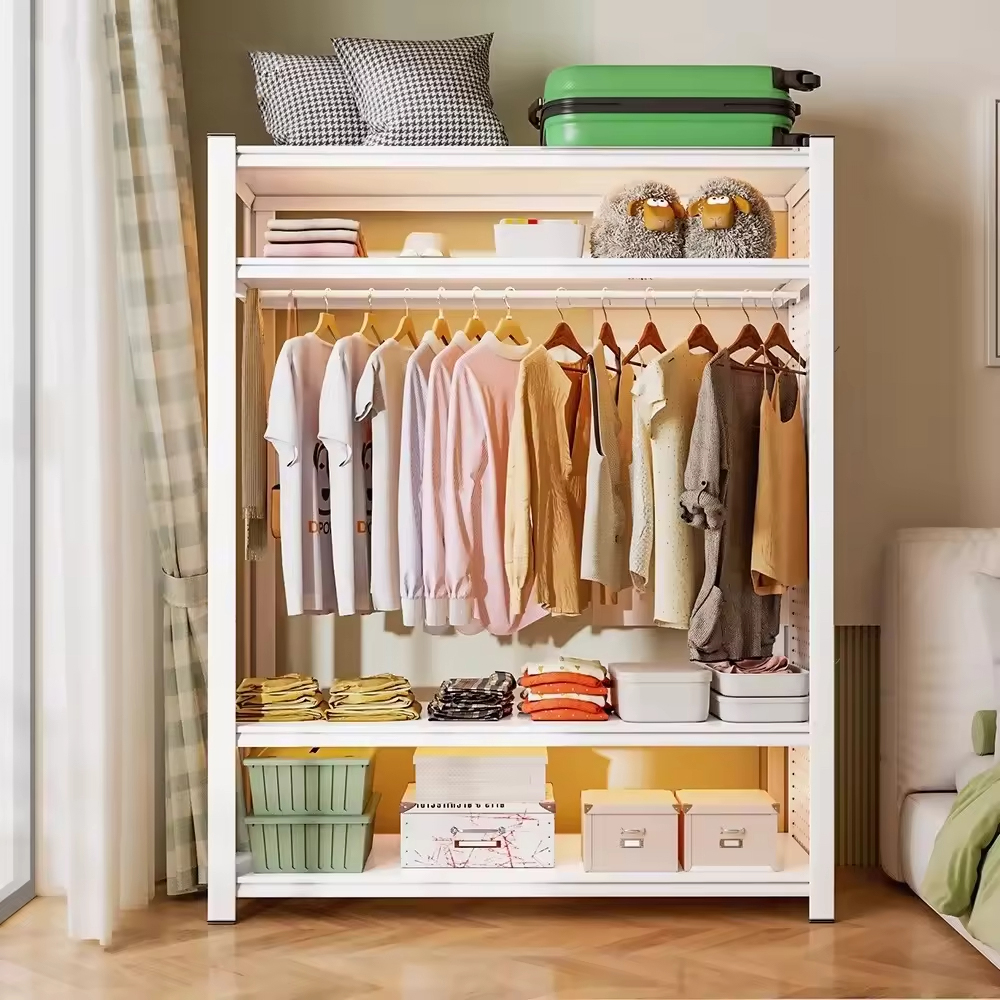 Clothing Rack for Hanging Coats, Suits & Apparel
【Perfect Wardrobe Organization Solution】 This dual-use clothing rack is the perfect solution for orga...
Tailored Apparel Storage & Display Racking Systems
Designed specifically for the apparel industry, our custom racking solutions address your unique garment storage and operational requirements:
·Space-Optimized Design: Custom dimensions, heights, and hanging rail configurations maximize your warehouse or retail floor space, supporting both bulk storage and front-of-house display.
·Robust & Durable Build: Available in standard or coated steel with anti-rust treatments, suitable for humid environments, garment factories, and logistics hubs. Load capacities range from light-duty for retail to heavy-duty for high-volume distribution centers.
What Sets Us Apart
Who We Are
Better Shelving, Better Business
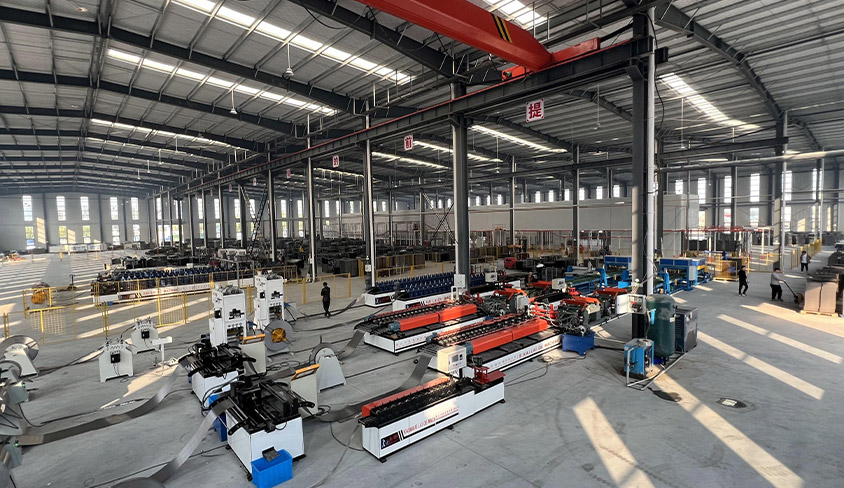
Shanghai King Global Shelf Co.,Ltd. is a leading manufacturer of shelving and storage solutions for
logistics and warehousing. Specializing in home racks, industry heavy-duty shelving, and warehouse
optimization systems. Founded in 2010, we have built strong production capability with a modern facility,
experienced team, and reliable quality control. We are China Clothing Rack Supplier and Wholesale Clothing Rack Factory, our products are designed to improve display, storage
efficiency, and space utilization for different markets. With stable quality, flexible solutions,
and responsive service, we support customers in both domestic and overseas markets.
About Us


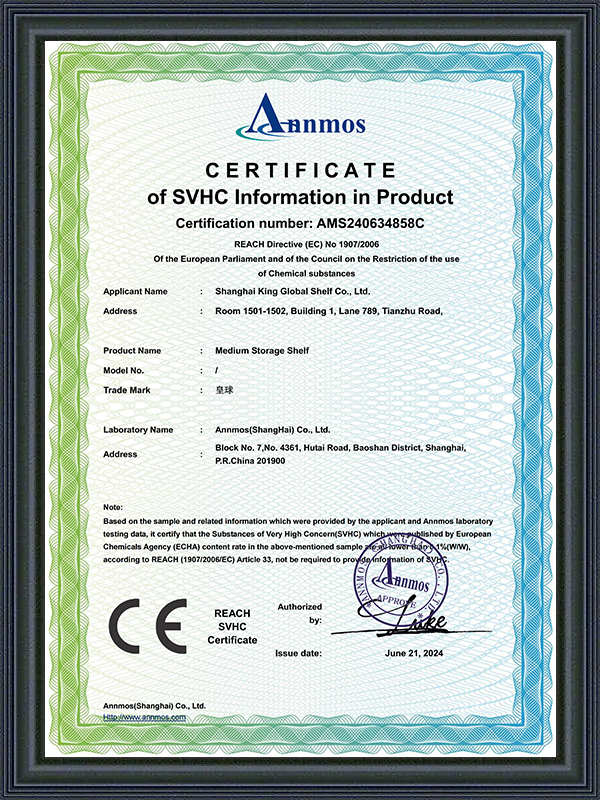
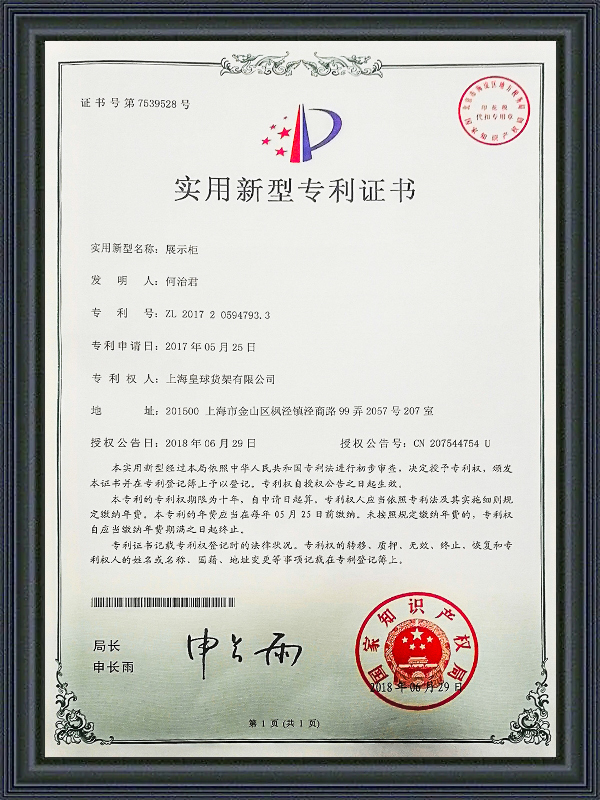
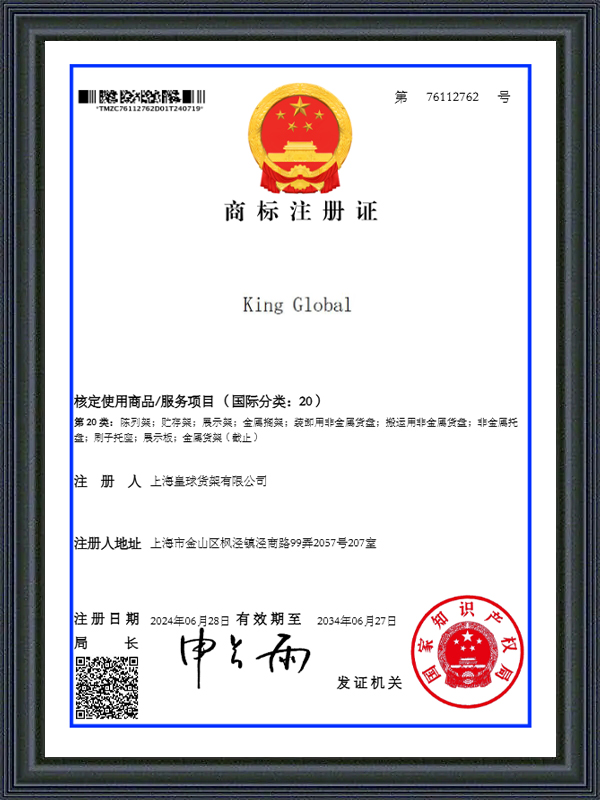
Honor
Certificate Of Honor
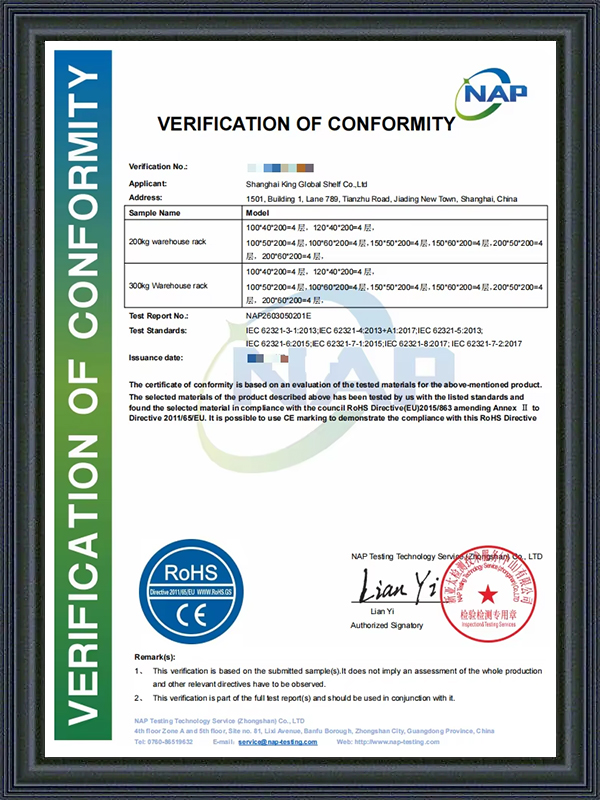
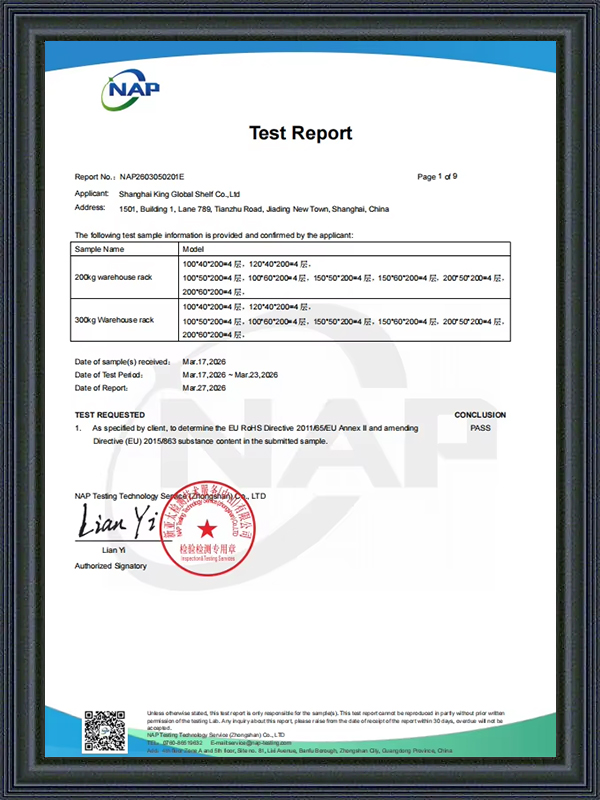
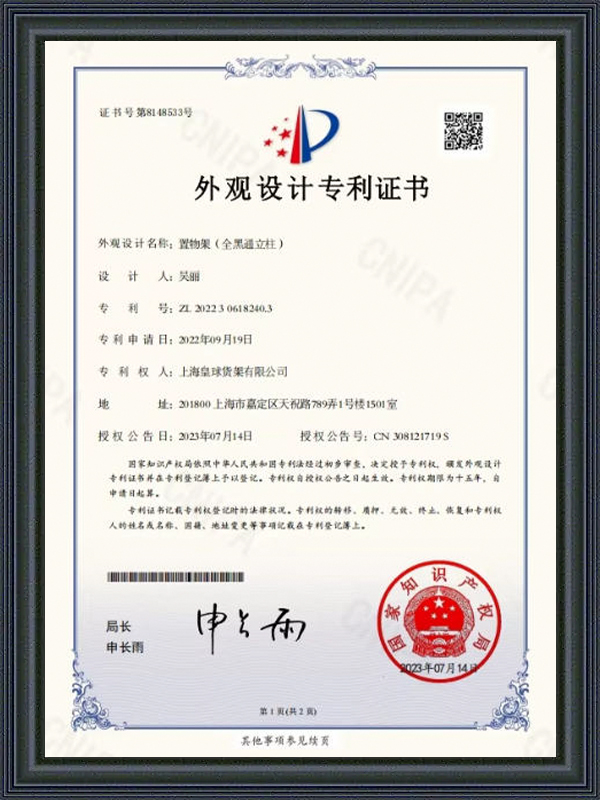
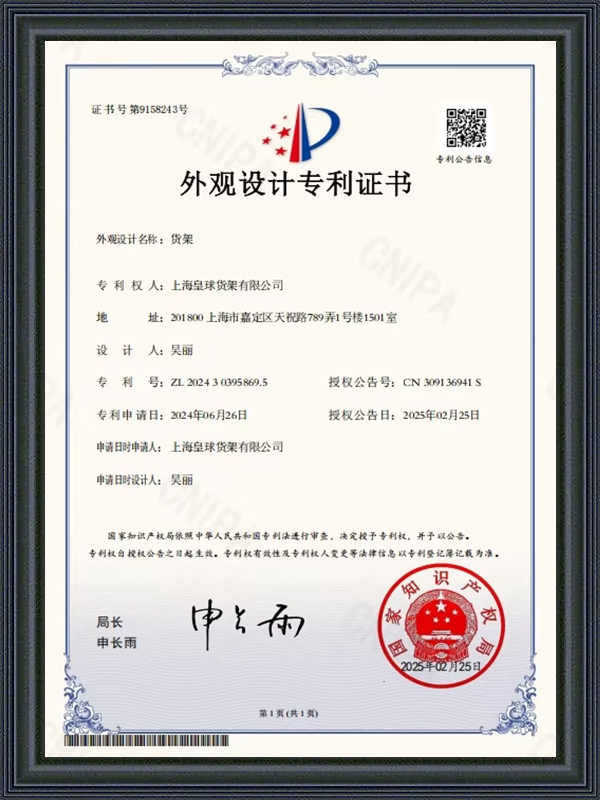
-

 2026-06-11
 Company News
-
2026-06-11
Company News
-
2026-06-11
Company News
Feedback
Message Feedback
Knowledge
Clothing Rack Industry knowledge
1. 衣類ラックシステムの概要
A 衣類ラック は、平らな棚パネルではなく吊り下げレールに衣類を保持するように設計された保管および陳列構造であり、倉庫および小売用保管機器の幅広いファミリーの中で独特のカテゴリーとなっています。箱詰めやパレット化された商品用に作られた棚とは異なり、衣類ラックはハンガー上の衣類を支える水平または Z 字型のレール部分を中心に設計されており、商品を見やすくアクセスしやすい状態に保ちながら、垂直方向のスペースを効率的に利用できます。このラック カテゴリは、衣料品倉庫の大量保管から小売店のバックルームや配送センターでの整理された陳列まで、アパレル サプライ チェーンの複数のポイントで使用されます。衣類ラックのフレームは通常、鋼管または異形鋼部分で作られ、湿気や頻繁な取り扱いが一般的な環境でも錆びないよう保護コーティングで仕上げられています。衣類のサイズ、重量、吊り下げ方法はさまざまであるため、衣類ラックはレールの高さを調整できるように設計されていることが多く、構成によっては施設内で位置を変更するためのキャスターなどの可動性機能も備えています。
衣類ラックの中心的な機能は、アイテムを整理して損傷なく保ちながら、特定の床面積内で保管または展示できる衣類の数を最大化することです。アパレル倉庫では、衣料品ラックは仕分けや出荷前の大量保管をサポートしますが、小売店や物流拠点では、多くの場合、保管とアウトバウンド注文のステージングという二重の目的を果たします。衣類ラックの構造のシンプルさとレールベースの設計を組み合わせることで、衣類を保管、仕分け、発送エリア間で頻繁に移動する必要がある環境に最適です。
2. 構造設計と動作原理
(1) コアコンポーネント
衣類ラックの動作原理は、吊り下げられた衣類の合計重量を水平レールに沿って分散することに中心があり、水平レールは垂直支柱またはエンドフレームによって支えられます。シングルレール設計では、1 本の連続したバーがラックの長さにまたがりますが、ダブルレールおよび Z ラック構成では、複数のレールレベルまたは角度の付いたセクションを使用して、同じ設置面積内で吊り下げ能力を向上させます。エンドフレームまたはサポートレッグは、レールから床まで荷重を伝達します。多くの設計には、ラックに荷重が加わったり移動したりする際の安定性を維持するために、斜めのブレースや幅広のベースが組み込まれています。キャスターは、分解せずに倉庫や売場全体で再配置できるようにするために、衣類ラックのベースに追加されることがよくありますが、車輪のロック機構は、一度配置したラックを静止した状態に保つのに役立ちます。
(2) ラックタイプ間の吊り下げ能力の比較
以下の表を確認する前に、一般的な衣類ラックの構成ごとに吊り下げ容量がどのように変化するかを理解しておくと役立ちます。この文脈における収容力とは、ラックがレールの長さに沿って収容できる衣類のおおよその数を指し、これはレールの数、レールの長さ、フレーム全体の設計によって異なります。シングル レール ローリング ラックなどの単純な構成では、収容能力は低いものの、可動性が向上する傾向があります。一方、多層レール システムや産業用レール システムでは、ある程度の可動性と引き換えに吊り下げ能力が大幅に向上します。この関係を理解すると、施設が衣類ラックの構成を実際の衣類の量や取り扱いパターンに合わせるのに役立ちます。以下の表は、3 つの一般的な構成における一般的な吊り下げ容量の範囲を比較した例を示しています。
上の棒グラフは、一般的な衣類ラック構成全体で見られる一般的なパターンを概説しており、レールの構造がより複雑になるにつれて吊るす能力がどのように増加する傾向があるかを示しています。図に示すように、シングル レール ローリング ラックは範囲の下限を占め、通常は 50 ~ 80 着の衣類をサポートします。これにより、最大容量よりも頻繁に位置を変更することが重要な一時的なステージング、小規模な小売店のバックルーム、または移動式の仕分け作業に適しています。ダブル レールまたは Z ラック構成はチャートの中央に位置し、設置面積を大幅に増やすことなく吊り下げる長さを追加するために、2 つのレール レベルまたは角度の付いた Z 型フレームを使用して、通常 110 ~ 150 着の衣類をサポートします。この中間カテゴリは、作業ゾーン間でラックを移動できるようにしながら、衣類をスタイルや注文ごとにグループ化する必要があるアパレル倉庫や配送センターで広く使用されています。グラフの上部に示されている工業用吊り下げラックは、より大容量の保管用に設計されており、通常は 150 着をはるかに超える衣類をサポートでき、レールの長さとフレームの高さによっては数百着前半に達する場合もあります。これらの産業用構成は、その規模が固定バルク保管の役割に適しているため、頻繁に移動するのではなく、一般に大規模なアパレル倉庫内の固定保管ゾーンで使用されます。このグラフは、衣類ラック カテゴリ全体に共通する可動性と容量の間の一般的なトレードオフも反映しています。この傾向では、より高い容量の構成は、キャスター付きの可動性ではなく、より広いまたはより重いベースに依存する傾向があります。衣類保管のニーズを評価する施設にとって、この比較は、毎日のスループットと利用可能な床面積を適切なラック構成に適合させるための開始基準となります。実際の衣服の量に対して小さめの構成を選択すると、レールが過密になり、商品を見つけるのが困難になる可能性があります。また、スペースに制約のある小売環境で過大な構成を選択すると、使用可能な床面積が不必要に減少する可能性があります。したがって、図に示されている関係は、アパレル保管レイアウトの計画段階で構成を比較する際の実際的な出発点となります。
3. 衣類ラックの一般的な種類と特徴
衣類ラックにはいくつかの異なる形式があり、それぞれの収納量、可動性、表示機能のさまざまな組み合わせに適しています。
- シングルレールローリングラック: 1 つの連続した吊り下げバーを備えた軽量で移動可能な設計で、一時的な保管、ステージング、または小規模な展示に一般的に使用されます。
- Z ラック: 2 つ以上のレール セクションを備えた角度の付いた Z 型フレームが特徴で、キャスター ホイールによる移動性を維持しながら、より高い容量を提供します。
- ダブルレールラック: 同じフレーム内で異なる高さの 2 本の平行レールを使用し、床面積を大幅に増やすことなく吊り下げ能力を 2 倍にします。
- 産業用吊り下げラック: 大規模なアパレル倉庫内のバルク衣類保管ゾーン用に構築された、固定式の高容量構成です。
- ラウンドラック: コンパクトでスペース効率の高い衣類の陳列のために小売環境で一般的に使用される円形レールのデザイン。
これらの形式はそれぞれ、衣類ラックの共通の特徴を共有しています。つまり、平らな棚の保管ではなく衣類を吊るすために特別に設計されたレールベースの構造であり、フレーム全体は、意図した設定に応じて可動性、容量、またはディスプレイの視認性のいずれかを優先するように適合されています。
4. 適用シーンと選定のポイント
(1) コアアプリケーションシナリオ
衣類ラックは、最初の保管から最終販売まで、アパレルのサプライチェーンの複数の段階にわたって適用されます。
- アパレル倉庫:仕分け、品質チェック、出荷準備前の衣類の大量保管。
- 縫製工場: 梱包、ラベル貼り、または流通への移動のために完成品を準備します。
- 物流ハブ: 仕分けおよび発送作業中に、注文、目的地、またはバッチごとに衣類を整理します。
- 小売店のバックルームとフロア: オーバーフロー在庫を保管したり、顧客が直接アクセスできるように衣類を展示したりします。
(2) 選定基準の概要
適切な衣類ラック構成を選択するには、いくつかの運用要素を相互に比較検討する必要があります。以下のレーダー チャートは、衣類の保管と取り扱いのためのラック オプションを比較する際に使用される、一般的に参照される 5 つの評価寸法の概要を示しています。このビジュアルは、特定の製品の評価ではなく、一般的な教育上の参考資料として意図されており、衣類ラック カテゴリ全体に広く関連する特徴を反映しています。これらの側面を一緒に確認すると、どの構成が特定の運用パターンに適しているかを明確にするのに役立ちます。 5 つの次元には、可動性、スペース効率、耐荷重、耐久性、さまざまな種類の衣服にわたる多用途性が含まれます。
上のレーダー チャートは、一般的な衣類ラックが各軸の最大可能範囲と比較して、一般的に参照される 5 つの評価次元にわたってどのようにスコアを付けるかを示しています。影付きの領域が示すように、可動性は比較的強力な属性として表されており、分解せずに保管、仕分け、ステージングエリア間の位置変更を可能にする多くの衣類ラック構成でキャスターホイールが広く使用されていることを反映しています。また、レールベースの吊り下げ収納は、通常、同様の体積の衣類を収納する場合、平らな棚よりも垂直方向のスペースを効率的に使用できるため、スペース効率も顕著に現れます。多用途性は適度に高いレベルで示されており、ほとんどの衣類ラック設計が、シンプルなハンガーの互換性を通じて、軽量のシャツから厚手のコートまで幅広い種類の衣服に対応できることを反映しています。耐荷重はグラフの中央付近に位置しており、衣類ラックの一般的な目的と一致しており、箱入りまたはパレット化された保管機器に関連する高い構造負荷よりも衣類の量とアクセスのしやすさが優先されます。耐久性は中程度のレベルにあり、ほとんどの衣類ラックのフレームに共通するスチール構造を反映しており、キャスターなどの移動機能をサポートするために使用される全体的な軽量構造とバランスが取れています。施設が独自の運用上の優先順位をこのようなチャートにマッピングすると、どの構成が最も適切であるかを特定しやすくなります。たとえば、フロアのリセット中にラックの位置を頻繁に変更する小売環境では、可動性とスペース効率を優先し、シングル レールまたは Z ラック構成を選択する可能性があります。対照的に、アパレル倉庫内のバルク保管ゾーンでは、可動性よりも積載量と耐久性を優先し、代わりに工業用吊り下げラックを使用する場合があります。このタイプの比較視覚化は、アパレル保管レイアウト プロジェクトの初期段階での実用的な計画ツールであり、ラック構成と実際の運用需要の間の不一致を回避するのに役立ちます。また、単一の構成がすべての次元で同時に最高のパフォーマンスを発揮することはないということも裏付けられます。そのため、衣類ラック カテゴリには、単一のユニバーサル デザインではなく、複数の異なる形式が含まれています。
5. 衣類ラック構成の比較
以下の表は、いくつかの実用的な寸法にわたる一般的な衣類ラック構成の一般的な違いをまとめたもので、利用可能なオプションを比較する施設の参照点を提供します。
| 構成 | モビリティ | 一般的な設定 | 吊り下げ容量 |
|---|---|---|---|
| シングルレールローリング | ハイ、キャスター付き | ステージング、小規模小売、一時保管 | 50~80着 |
| Zラック/ダブルレール | モデレート、キャスター付き | アパレル倉庫、仕分けゾーン | 100~150着の衣類 |
| 工業用吊り下げラック | 低く、静止 | アパレル倉庫のバルク保管ゾーン | 150~300着 |
表に示されているように、衣類ラックの各構成は可動性と吊り下げ能力の間の異なるバランスを反映しており、施設が同じ作業内で衣類の取り扱いのさまざまな段階にわたって複数の構成を使用することが多い理由を裏付けています。
6. レールの高さ調整原理
Many clothing rack designs allow the hanging rail to be adjusted vertically, accommodating garments of different lengths within the same frame. Before reviewing the line chart below, it is useful to understand that most adjustable clothing rack uprights include a series of connection points spaced along the vertical support, similar in principle to shelving uprights but adapted for rail mounting rather than shelf panels. These connection points allow the rail height to be raised or lowered depending on whether the rack is holding shorter garments such as shirts or longer items such as coats and dresses. The chart illustrates how the number of available connection points relates to the range of practical rail height configurations across a typical clothing rack upright. This adjustability is one of the practical features that allows a single clothing rack to serve multiple garment categories over its service life.
The line chart above shows a general upward relationship between the number of connection points along a clothing rack upright and the number of usable rail height configurations available to the operator. As the chart demonstrates, an upright with only a small number of connection points restricts the rail to one or two fixed height positions, which may be sufficient for a facility handling a single garment category but limiting for one handling mixed inventory. As the number of connection points increases, represented along the horizontal axis, the number of practical rail height configurations rises correspondingly, shown by the upward trend of the line. This relationship is directly relevant to apparel warehouses and distribution centers that handle a mix of garment lengths, since a finely adjustable clothing rack allows the same frame to be repositioned quickly between batches rather than requiring separate racks for each garment category. A retail environment displaying uniform garment types, such as a single style of shirt, may not require extensive adjustability, while a logistics hub processing mixed seasonal inventory benefits significantly from a rack offering a wider range of rail positions. The chart also shows the trend continuing to rise steadily across the full range shown, suggesting that finer adjustment intervals continue to add practical value rather than reaching an early plateau. In practical installations, connection points on a clothing rack upright are often spaced at regular intervals, giving warehouse staff reasonably fine control over rail height without needing tools for each adjustment. This adjustability also supports efficient use of floor space, since garments of appropriate length can be hung closer to the ground without excess clearance, reducing wasted vertical space above shorter items. From an operational standpoint, quick rail adjustment reduces the time needed to reconfigure a clothing rack between different product runs or seasonal changes. Facilities that regularly handle a broad range of garment lengths, from children's wear to full length coats, tend to place a higher priority on this type of adjustability when selecting rack configurations. Overall, the chart reinforces why rail adjustability is frequently highlighted as a practical advantage of modern clothing rack systems.
7. Maintenance Guidance for Clothing Racks
Routine maintenance helps preserve the stability and mobility of a clothing rack throughout its service life, particularly for configurations that rely on caster wheels. Before reviewing the column chart below, it is worth outlining the general inspection categories commonly scheduled for rail based storage equipment. These categories range from simple visual and mobility checks performed frequently to more detailed structural reviews performed less often. Understanding the relative frequency of each inspection type helps facility staff plan a maintenance routine suited to how often a particular clothing rack is used and moved. The chart below presents a general illustration of how often each inspection category is commonly scheduled within a calendar year.
The column chart above provides a general overview of how frequently different inspection categories are commonly scheduled for clothing rack systems in a typical facility. Caster and wheel checks appear as the most frequent category, often reviewed on a monthly basis, since mobile racks that are moved regularly between storage, sorting, and display areas are more prone to wheel wear, debris buildup, or locking mechanism issues than stationary equipment. Rail alignment checks are shown at a lower frequency, commonly reviewed every other month, focusing on whether the hanging rail remains level and securely fastened after repeated loading and repositioning. Frame structure checks, which involve a closer look at welds, joints, and overall frame stability, are depicted at an even lower frequency, often reviewed quarterly as part of a broader facility maintenance routine. Deep inspection, representing the most thorough review of the entire clothing rack, including base stability and load bearing components, is shown at the lowest frequency, typically conducted once annually or after a significant increase in usage volume. This general pattern reflects a common approach to maintaining rail based storage equipment, where lighter and more frequent checks focused on moving parts are paired with less frequent but more detailed structural reviews. Following a routine along these lines can help identify early signs of wear, such as sticking casters, loose rail brackets, or minor frame misalignment, before they progress into larger handling difficulties. Keeping the rail surface clean and free of snagging points also supports garment quality by reducing the chance of fabric catching on rough or damaged sections. Facilities that operate a clothing rack in humid environments, such as certain garment factories or coastal logistics hubs, may also want to pay closer attention to surface finish condition during routine checks. Documenting inspection dates and observations over time helps build a clearer picture of how a particular clothing rack performs under a facility's specific usage pattern. This kind of structured maintenance approach supports the long term reliability of a clothing rack across repeated cycles of loading, movement, and repositioning.
8. Manufacturing Background and Production Considerations
The reliability of a clothing rack depends heavily on frame construction quality, rail straightness, and surface treatment, particularly given how frequently this equipment is moved and reloaded. Shanghai King Global Shelf Co., Ltd., established in 2010, has built production capability around shelving and storage solutions for logistics and warehousing, including hang clothes racks developed specifically for apparel warehouses and garment handling environments. Facilities sourcing rail based storage equipment benefit from consistent tubing dimensions and secure rail connections, since uneven components can affect how smoothly a clothing rack rolls or how evenly garments distribute along the rail. Anti-rust surface treatment is a relevant consideration for clothing rack frames used in humid environments or facilities near coastal regions, where untreated steel is more prone to surface corrosion over time. A stable production process also supports the layout planning discussed earlier in this article, since predictable frame and rail dimensions make it easier to calculate floor space requirements when arranging multiple racks across a storage or sorting area. Beyond the physical rack components, layout consultation support can help align a facility's specific garment handling workflow with an appropriate mix of rolling and stationary rack configurations before installation begins.
9. Frequently Asked Questions
(1) What is the typical hanging capacity of a clothing rack?
Hanging capacity varies by configuration, with single rail rolling racks typically holding around 50 to 80 garments, double rail or Z-racks holding around 100 to 150 garments, and industrial hanging racks accommodating 150 garments or more depending on rail length.
(2) How is a clothing rack different from standard shelving?
A clothing rack uses horizontal rails designed for hanging garments on hangers, while standard shelving uses flat panels intended for boxed, folded, or loose items, making the two categories suited to different storage methods within a facility.
(3) Can the rail height on a clothing rack be adjusted?
Many clothing rack designs include multiple connection points along the vertical support, allowing the rail to be raised or lowered to suit different garment lengths as inventory changes.
(4) Are clothing racks suitable for humid environments?
Clothing racks finished with anti-rust surface treatment are generally suitable for humid environments and garment factories, since this treatment helps reduce the effects of moisture exposure on the steel frame over time.
(5) How often should the casters on a clothing rack be checked?
Caster and wheel checks are commonly performed on a frequent basis, such as monthly, particularly for racks that are moved often between storage, sorting, and display areas within a facility.
10. Summary
A clothing rack provides a practical, rail based storage solution across apparel warehouses, garment factories, logistics hubs, and retail environments, offering an alternative to flat shelving for garments hung on hangers. Its various configurations, from mobile single rail designs to stationary industrial hanging racks, allow facilities to match rack selection to specific garment volume, mobility needs, and floor space constraints. Understanding the structural principles, common types, selection criteria, and maintenance practices associated with a clothing rack supports more informed decision making when planning apparel storage and handling operations.
Get exclusive deals and early access to new products.
Experienced staff and experts are always available to provide you with professional guidance and solutions to technical problems.
Mobile
-
Quick Links
Home Products Cooperation Cases Company Service News Contact Us -
Product
Warehouse Rack Pallet Racking Mezzanine Racking Cantilever Racks Supermarket Shelf Office & Home Shelves -
Contact Us

E-mail: liwu78465@gmail.com

WhatsApp: 8613761540945

China Tel: +86-13761540945
Thailand Tel: +66 99 109 1956 (Line Same)
Thailand Tel: +66 92 242 5845 (Line Same)

China Address:Room 1501, Building 1, Lane 789, Tianzhu Road, Jiading District, Shanghai, China.
USA Address: 23787 Eichler St, Unit G, Hayward, CA 94545.
Malaysia Address: METROHUB 2 Warehouse 4, Lot 109363, Persiaran Bukit Rajakayangan/KU5,Bandar Bukit Raja, 41050 Klang, Selangor Darul EhsanReturn to Gate 81, Malaysia.
Thailand Address:จังหวัดสมุทรปราการ อำเภอบางเสาธง ตำบลบางเสาธง 32/7 หมู่7 ถนนบางพลี-ตำหรุ บางพลีใหญ่ Bang Phli District, Samut Prakan 10540,(TH)
