


China Tel: +86-13761540945
Thailand Tel: +66 99 109 1956
Thailand Tel: +66 92 242 5845
liwu78465@gmail.com



Foldable Storage Shelves Supplier
-
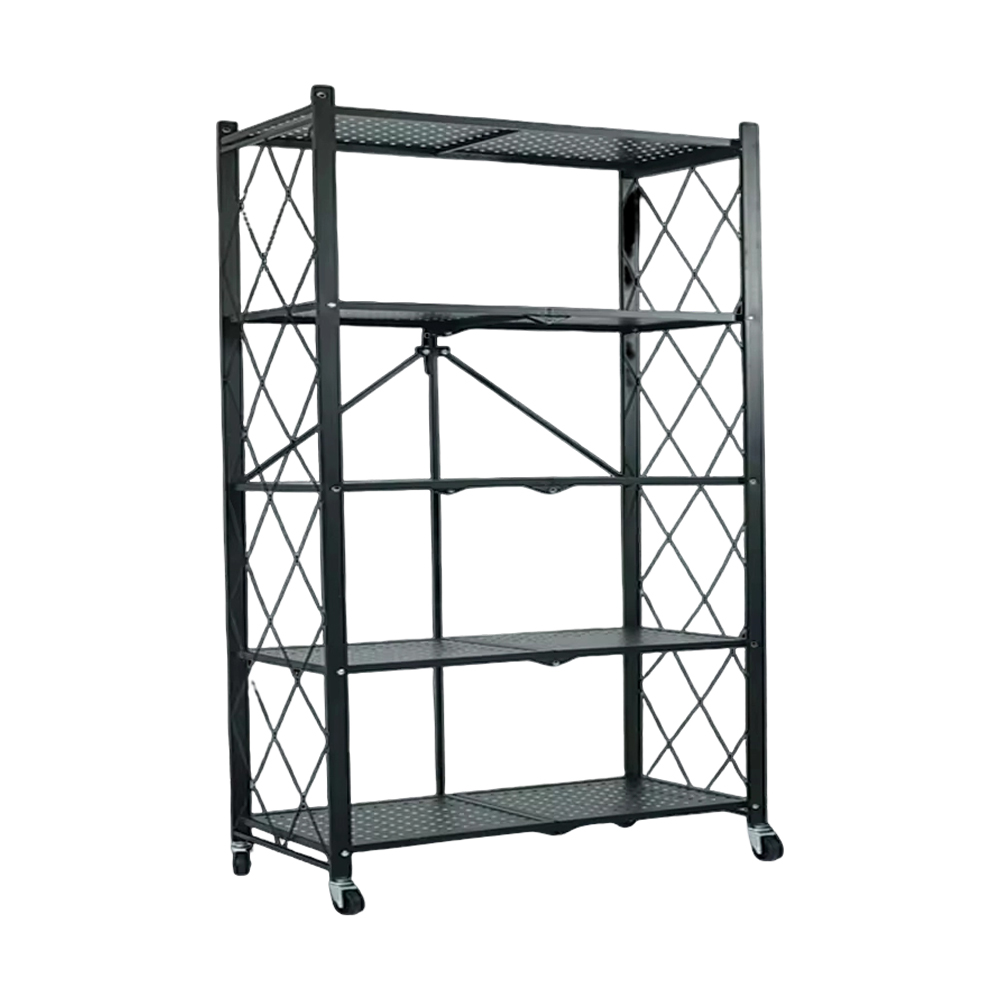 Large Capacity Foldable Multilayer Storage Racks for Home
【Foldable Space-Saving Storage Rack】 This innovative storage rack features a foldable design, allowin...
-
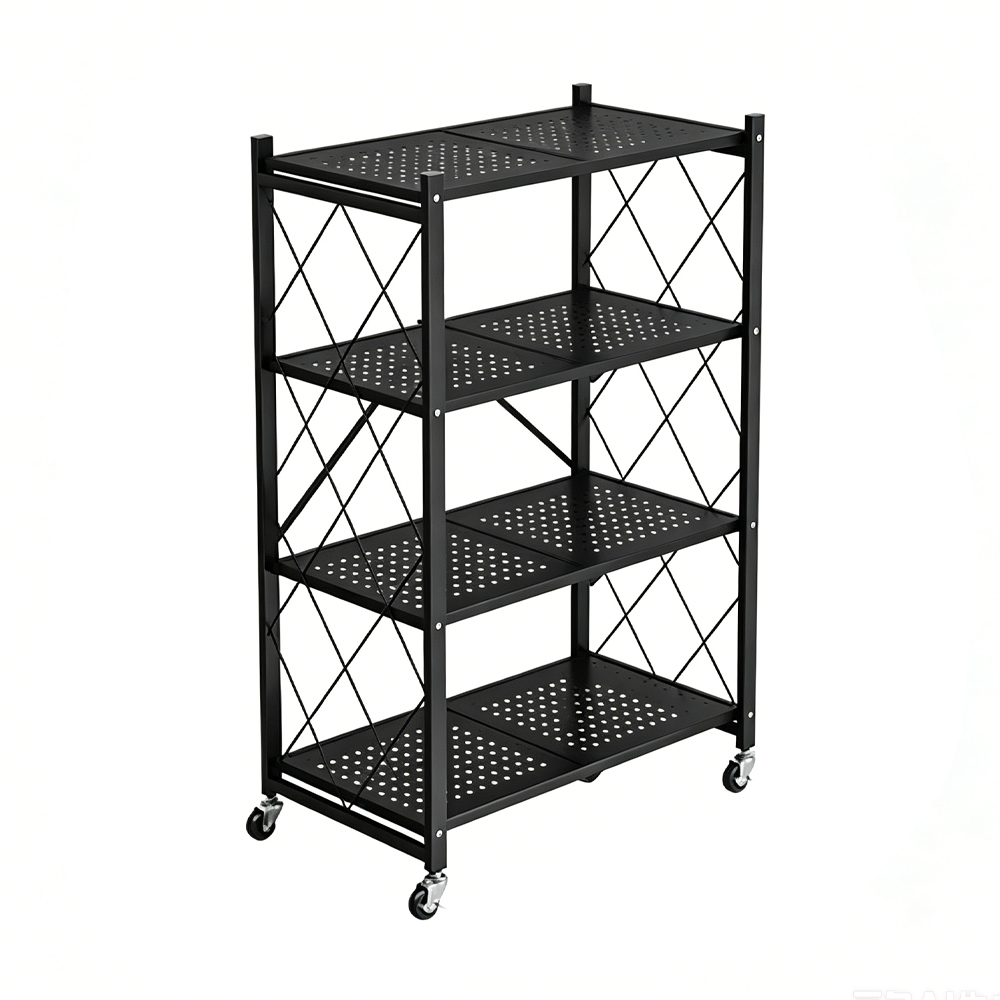 Foldable Multi-Tier Large-Capacity Storage Shelves for Home
【Perfect Storage Solution for Small Living Spaces】 If you live in a small apartment, studio or condo ...
A space-saving storage unit designed for home and office use, easy to fold and unfold without tools.
Applications
·Home: kitchen, living room, balcony, bedroom.
·Office: storage for documents, supplies and small items.
·Suitable for small spaces, rental rooms and temporary use.
What Sets Us Apart
Who We Are
Better Shelving, Better Business
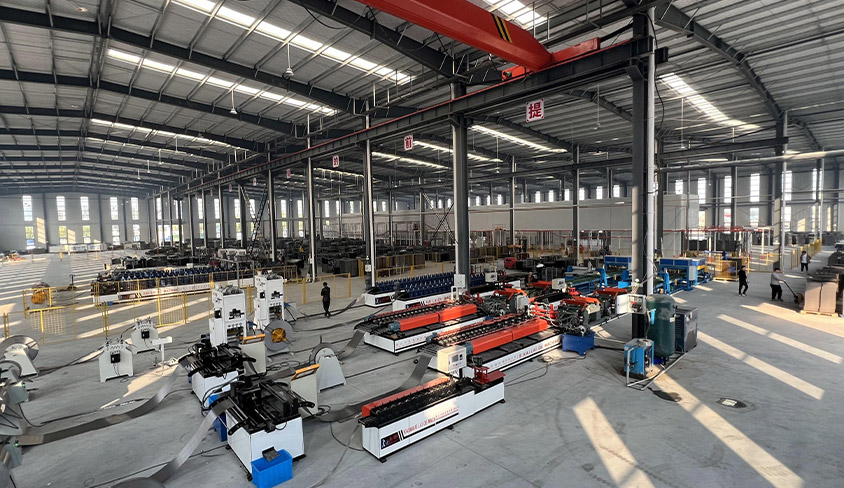
Shanghai King Global Shelf Co.,Ltd. is a leading manufacturer of shelving and storage solutions for
logistics and warehousing. Specializing in home racks, industry heavy-duty shelving, and warehouse
optimization systems. Founded in 2010, we have built strong production capability with a modern facility,
experienced team, and reliable quality control. We are China Foldable Storage Shelves Supplier and Wholesale Foldable Storage Shelves Factory, our products are designed to improve display, storage
efficiency, and space utilization for different markets. With stable quality, flexible solutions,
and responsive service, we support customers in both domestic and overseas markets.
About Us


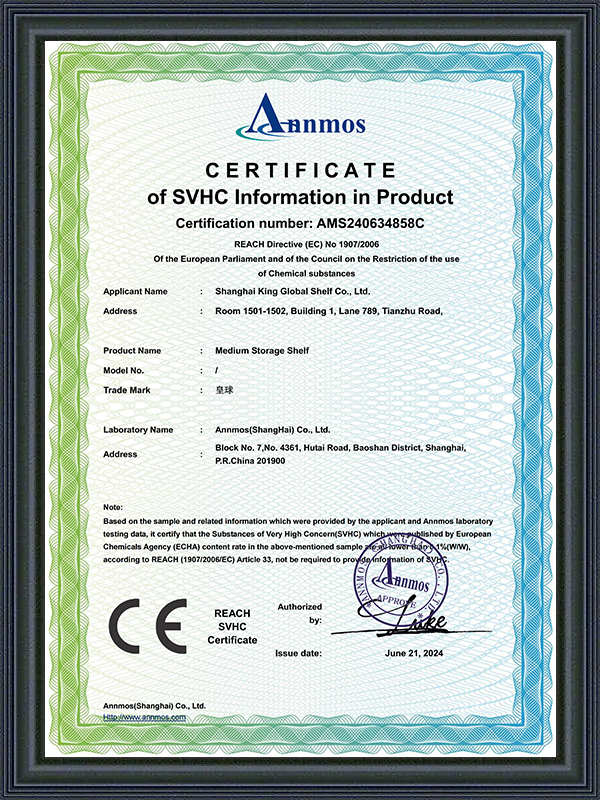
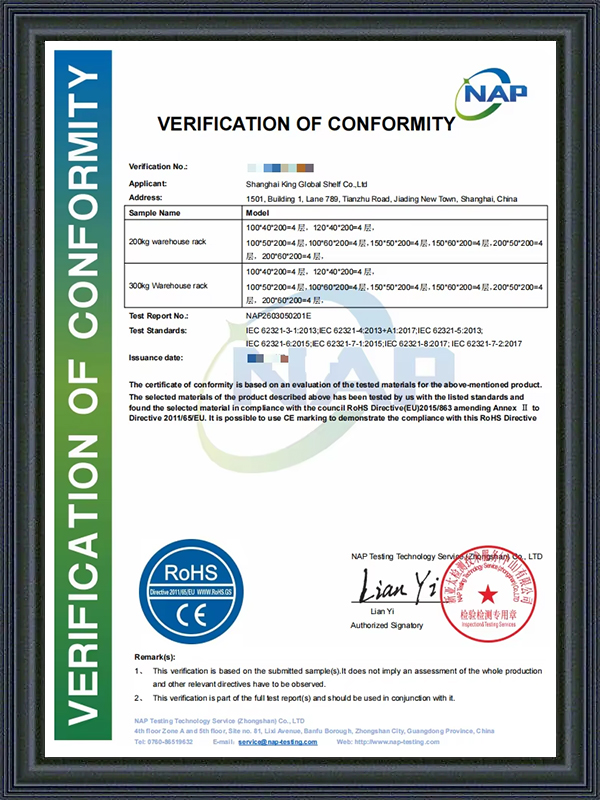
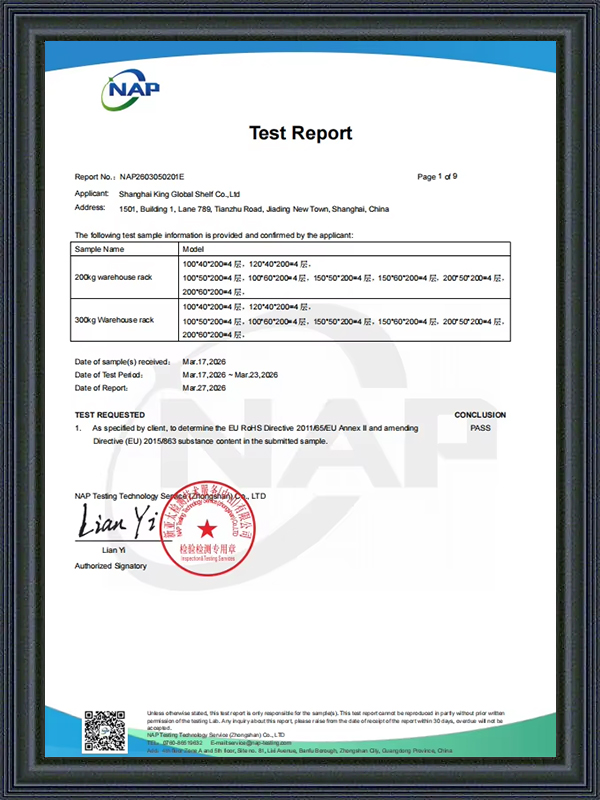
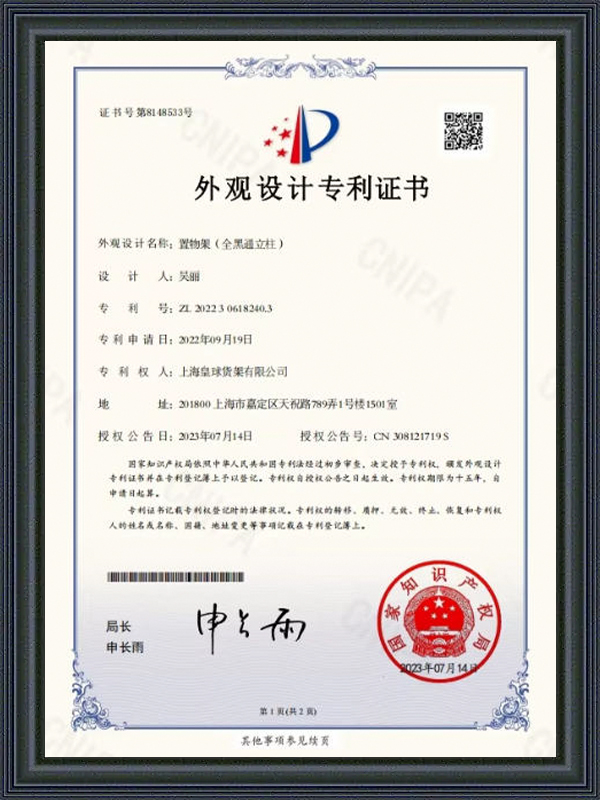
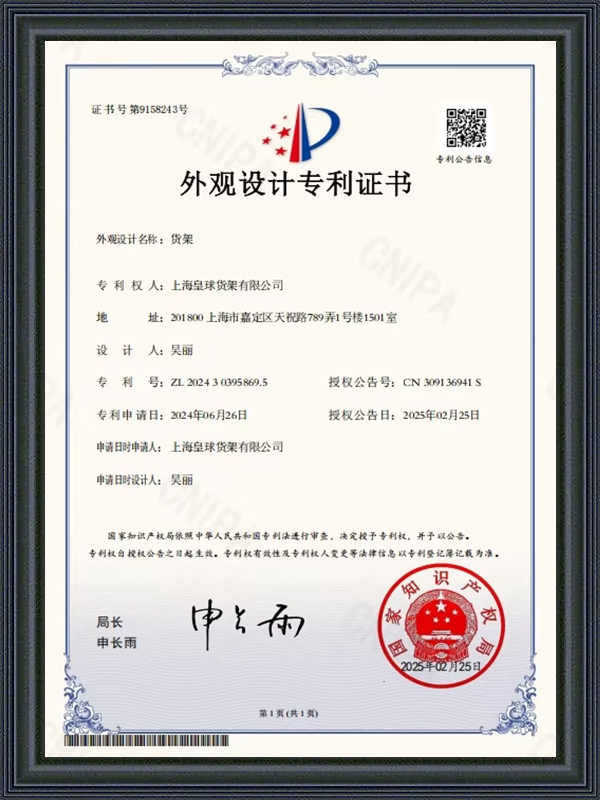
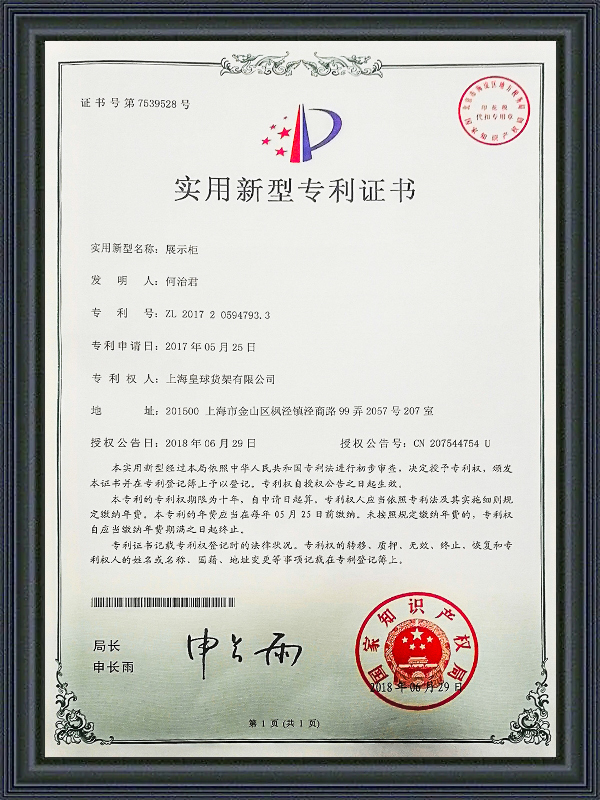
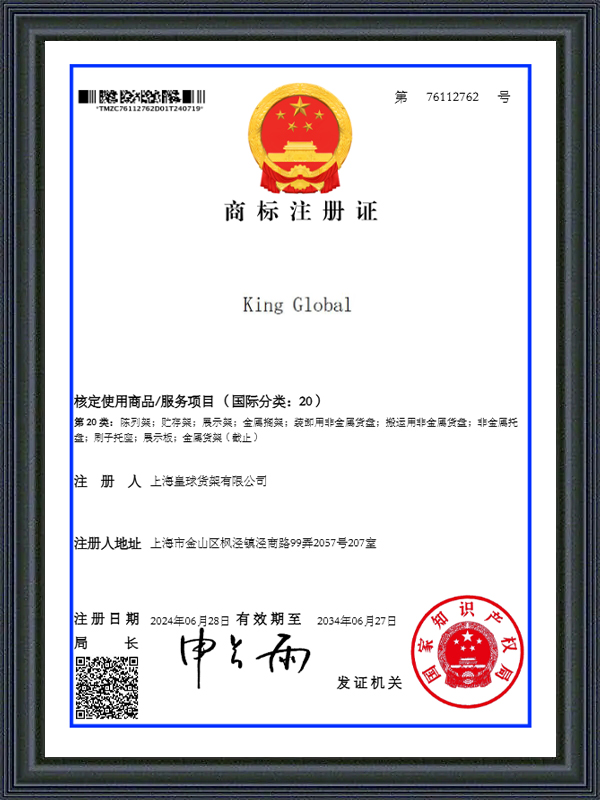
Honor
Certificate Of Honor
-

 2026-06-11
 Company News
-
2026-06-11
Company News
-
2026-06-11
Company News
Feedback
Message Feedback
Knowledge
Foldable Storage Shelves Industry knowledge
1. 折りたたみ収納棚とは
居住スペースや小規模オフィスには無制限の収納スペースがあることはほとんどなく、ニーズは季節ごとに、テナントごとに、またはプロジェクトごとに変化することがよくあります。あ 折りたたみ式収納棚 は、ネジ、ボルト、またはツールキットを必要とせずに、開くと硬いユニットになり、数分で再び平らに折りたためるヒンジベースの構造と多段棚フレームを組み合わせることで、変化する需要に答えます。このカテゴリーは固定棚とは別に設置されており、そのサイドフレームは溶接やボルトで永久的な形状に固定されるのではなく、ヒンジジョイントを中心に回転するため、特定の場所で必要がなくなったら、ユニット全体を収納や輸送の際にスリムなプロファイルに折りたたむことができます。棚の段は通常、ワイヤーメッシュ、コーティングされたスチール、または成形プラスチックで仕上げられており、キッチン調理器具から寝室のリネン、オフィスの書類まで、それぞれがわずかに異なる部屋やアイテムの種類に適しています。セットアップと分解にはハードウェアが必要ないため、折りたたみ式収納棚は、スペースが共有されている場合、一時的な場合、または恒久的に固定するには小さすぎる場合に特に一般的です。
2. 一般的なタイプの負荷容量範囲
以下の表を見る前に、折りたたみ式収納棚は単一の固定された製品ではなく、複数のフレームとパネルの素材にまたがるカテゴリーであり、それぞれの段ごとに異なる実用荷重範囲があることを知っておくと役立ちます。この範囲は主に、折りたたみチューブフレームのゲージと、ワイヤーメッシュ、コーティングされた鋼板、または成形プラスチックなど、シェルフパネル自体に使用される材料によって決まります。より軽量な素材により、ユニットの持ち上げや折りたたみが容易になりますが、当然のことながらサポートする重量は軽減されますが、頑丈なコーティングされたスチールフレームにより、耐荷重上限が高くなる代わりにかさばりが追加されます。各タイプの実際の容量は層の位置とパネルの設計によって若干異なる可能性があるため、以下の表はこれを単一の数値ではなく範囲として示しています。各範囲の下限と上限を一緒に読み取ると、単一の平均値を読み取るよりも現実的な状況が得られます。
上の範囲表は、最も一般的な 3 つの折りたたみ式収納棚素材の一般的な各段あたりの耐荷重の下限と上限を示しており、各範囲を詳しく見てみる価値があります。プラスチック タイプは、最も短く最低の範囲にあり、1 段あたりおよそ 10 ~ 20 キログラムになります。これは、成形プラスチック パネルが、生の強度ではなく、主に軽量性と耐湿性のために選択されるという事実を反映しています。ワイヤメッシュタイプは、中間バンドを占め、1 段あたり約 20 ~ 40 キログラムになります。これは、溶接されたグリッドが単一の固体パネルに依存するのではなく、多くの小さな交差点に重量を分散させるためであり、かさばることなく、プラスチックからの有意義なステップアップを実現します。コーティング鋼板はグラフの最上部に位置し、1 段あたりおよそ 40 ~ 70 キログラムに及びます。この範囲は、無垢鋼板または穴あき鋼板とその下にあるより厚い折りたたみチューブ フレームを組み合わせることで可能になります。グラフを左から右に読むと、範囲があまり重なっていないこともわかります。これは、ある素材から次の素材に移行すると、わずかな改善ではなく、まったく異なる実際の能力が生じることを意味します。これは、リストでは似ているが、実際の商品が棚に置かれると大きく異なる 2 つの同じような価格のオプションのどちらかを選択するときに重要になります。折りたたんだタオルや軽量の装飾品を保管する家庭にはプラスチック製またはワイヤーメッシュ製の製品が適していますが、小さなキッチン家電や積み重ねられた収納箱を保管する予定のある人は、代わりにコーティングされたスチール製の製品を検討する必要があります。このグラフはまた、複数の重いアイテムを低範囲ユニットの 1 つの段に積み重ねると、同じアイテムを複数の段に分散させるよりも時間の経過とともにたわみが発生する可能性が高いことも示しています。範囲は単一の平均ではなく提示されているため、異なる供給元からの 2 つのコーティング鋼製品を比較する購入者は、チューブのゲージやパネルの厚さに応じて、40 ~ 70 キログラムの範囲内で多少の変動があることを予想する必要があります。全体として、この範囲ベースのビューは、単一のヘッドライン番号よりも、折りたたみ式収納棚を実際の収納ニーズに適合させるためのより正直な出発点を提供します。
3. 折りたたみ機構の仕組み
折りたたみのメカニズムを言葉だけで説明するのではなく、短い一連のステップとして説明すると、実際に折りたたみ式収納棚の組み立てや分解を経験することができるためです。以下のプロセスの各ステップは、どの段階でも工具や留め具を使用せずに手作業で行われる物理的な動作に対応しています。このシーケンスは、平らに折りたたまれた状態のユニットから始まり、フル装備のスタンディングシェルフで使用準備完了で終了します。シェルフを再度分解する必要がある場合は、同じシーケンスが逆に実行されます。また、これらのステップを個別に理解すると、時間の経過とともに最も摩耗が発生する可能性が高い場所を容易に確認できます。各ステップで最も多くの作業を行う関節は、時折注意を払うことで最も恩恵を受けるためです。以下の図は、この 4 つのステップのシーケンスを左から右にレイアウトしています。
上のステップ図は、折りたたみ式収納棚の組み立てシーケンスを 4 つの異なるアクションに分割しており、ステップ 1 からステップ 4 まで従うと、実際に手作業で行われることが反映されています。ステップ 1 では、サイド フレームを平らに積み上げられた状態から開いた X または長方形の形状に展開します。これは通常、プロセス全体の中で最大の可動範囲となります。その直後にステップ 2 が続き、各サイド フレームの角または中間点にあるヒンジ ロックがカチッと音を立てるかスライドして所定の位置に収まり、フレームが緩い揺れる形状から堅い支持構造に変わります。ステップ 3 では、固定されたサイド フレームに水平シェルフ パネルを配置し、特定のデザインに応じて各段を下から上、または上から下の位置に設置します。ステップ 4 は、ユニットが機能的な保管場所となり、定格容量に応じて各層でアイテムを受け取る準備が整った時点です。この順序を逆にして、負荷のないユニットから始めて、最初にパネルを取り外し、次にヒンジのロックを解除し、最後にフレームを平らに折ります。これは、負荷がかかったジョイントへの負担を避けるための最も安全な順序です。ステップ 2 で係合するヒンジ ロックは、シェルフを組み立てたり分解したりするたびに動作するため、通常、ユニットの寿命にわたって最も繰り返し応力がかかるコンポーネントです。これは、後ほどメンテナンスセクションで説明するヒンジの状態に時折注意することが、ほとんどの場合一度設置されると所定の位置に留まるだけのシェルフパネル自体に注意するよりも重要になる傾向がある理由でもあります。背の高い多段ユニットを組み立てている人は、設置するパネルの数が多いため、ステップ 3 がコンパクトな 2 段モデルよりも比例して時間がかかることに気づくでしょう。この図は、ステップ 4 に到達するために必要なすべての接続がフレーム自体の中にすでに存在しているため、ボルト留めの棚とは異なり、別個のハードウェア バッグを必要とせずに折りたたみ式収納棚を組み立てることができる理由も明確にしています。これらの 4 つのステップに分かれたプロセスを見ると、カテゴリの利便性と、通常の使用中に最も注意が必要な順序の特定のポイントの両方を説明するのに役立ちます。
4. 折りたたみ収納棚の使用場所
部屋をプレーンテキストだけでリストするよりも、部屋を並べて表示すると便利です。折りたたみ式収納棚は、配置される場所に応じて役割が少し異なることが多いためです。以下のグリッドは、家庭とオフィスの両方で使用する 6 つの一般的な設定をグループ化しており、各設定で一般的に必要なものについて簡単に説明しています。設定を 1 つずつ見るよりもまとめて見ると、パターンに気づきやすくなります。湿気への曝露が多い部屋は、乾燥した室内よりもさまざまな素材に傾いており、頻繁に移動する設定は、よりシンプルで高速に折りたためるデザインに傾いています。この種の並べて表示するビューは、同じタイプのユニットを再利用できる場所と、別のタイプの方がより効果的に機能する場所を強調表示するため、一度に複数の部屋を家具を配置する人にとって特に便利です。各設定の下にある注意事項は、各家庭に対する厳密なルールではなく、開始時の参考として意図されています。
上のグリッドは、折りたたみ式収納棚の 6 つの一般的な設定をレイアウトし、それぞれの設定を、それに最も適合する傾向にある素材またはデザインの特徴に関する簡単なメモと組み合わせています。このように設定をまとめて表示すると、いくつかのパターンが際立ちます。オープングリッドパネルにより、湿気が固体表面に閉じ込められるのではなく、保管されている調理器具や乾燥品の周りに空気が循環できるため、キッチンボックスはワイヤーメッシュを向いています。リビング ルーム ボックスは、書籍、メディア、または装飾品を頻繁に折り畳んだり移動したりせずに長期間保持するために、少し重くて頑丈なユニットが使用される環境が一般的であるため、コーティングされたスチールを指します。バルコニー ボックスがプラスチックを特に強調しているのは、屋外に隣接するスペースに共通する湿気や温度の変動に対する耐久性が高いためです。これは、多くのバルコニーの使用例において耐荷重天井が低いことを上回る利点です。ベッドルームボックスもまた、コーティングされたスチールを好んで使用しており、折りたたんだリネン、季節の衣類、または複数の段を合計すると意味のある重量になる収納箱を保持するという一般的な役割を反映しています。また、紙の記録や備品を複数の段にまたがって保管すると、個々のアイテム自体は軽く感じられる場合でも、重さが蓄積する可能性があるため、オフィス ボックスはコーティングされたスチール製に傾いています。レンタル ルーム ボックスは、素材から折りたたみのデザイン自体に重点を移し、ロック箇所が少なく、移動中にすぐに分解して持ち運べる軽量ユニットを好みます。 6 つの設定をすべて並べて見ると、単一の折りたたみ式収納棚の素材やデザインがすべての部屋に同じように機能することはないことがわかります。そのため、多くの家庭が家のさまざまな場所で複数のタイプを使用することになります。このグリッドは、購入決定時に簡単なチェックリストとして読み取ることもでき、購入者は特定の物件を比較する前に、考えている部屋と対応するメモを照合することができます。これらのメモは一般的な出発点であるため、異常に湿気の多い寝室や使用頻度が非常に低いホームオフィスなど、異常な条件を持つ家庭では、ここで提案されているものとは異なるタイプを選択するのが合理的かもしれません。それでも、グループ化されたビューを使用すると、各部屋ごとに別々の段落を読むよりも、複数の部屋を一度に検討する方が速くなります。
5. 優先順位別の選択ガイド
折りたたみ式収納棚のタイプを選択する場合、多くの場合、ユニットを持ち運ぶときにどれだけ軽いか、どれくらいの重量に耐える必要があるか、湿気にどれだけ耐えられるかなど、特定の部屋や状況にとってどの単一要素が最も重要であるかということになります。以下の表は、その考え方に基づいた比較を再構成したもので、各タイプの仕様を単独でリストするのではなく、5 つの一般的な優先事項に最もよく一致するタイプをリストしています。この形式は、耐湿性が必要な場合や頻繁に移動する必要がある場合など、主な制約をすでに知っている人が、一致するタイプをより直接的に見つけられるようにすることを目的としています。この表は、前のセクションで説明したものと同じ材料と設計の特徴を利用していますが、製品の仕様書からではなく購入者の決定点に基づいて整理されています。表の後には、あまり明らかではない組み合わせのいくつかを説明する短いメモが記載されています。
| 優先順位 | ベストマッチタイプ | 理由 |
|---|---|---|
| 持ち運びに最も軽い | プラスチック folding shelf | Molded panels add minimal weight to the frame |
| Highest load capacity | Coated steel folding shelf | Thicker tubing and solid panels support more weight |
| Best moisture tolerance | プラスチック folding shelf | Panels do not corrode when exposed to damp air |
| Best airflow around items | Wire mesh folding shelf | Open grid panels prevent trapped moisture or odor |
| Fastest to relocate | Compact two-tier folding shelf | Fewer locking points mean quicker fold and carry |
A couple of pairings in the table are worth a brief explanation, since plastic appears twice while coated steel and wire mesh each appear once. Plastic covers both the lightest-to-carry priority and the moisture-tolerance priority because those two needs tend to travel together in practice, most often in balconies or bathrooms where a light, damp-proof unit is preferred over raw strength. Coated steel appears only under load capacity because its main trade off, slightly more weight and a longer fold-up time, is only worth accepting when the extra strength is actually needed. Wire mesh sits in its own category for airflow specifically because kitchens and pantries benefit from ventilation in a way that a solid panel cannot provide, even though wire mesh also offers a reasonable middle ground on load capacity. The compact two-tier option is included as a design trait rather than a material, since relocation speed depends more on how many locking points must be released than on what the panels are made from. Reading the table this way, starting from a personal priority rather than a product name, tends to shorten the comparison process for someone who already knows what matters most to them.
6. Maintenance Attention by Component
Maintenance on a foldable storage shelf is not evenly spread across the whole unit, since some components are worked constantly while others barely move once the shelf is assembled. The ring chart below divides a typical year of attention into four components, sized roughly by how much of that attention each one tends to receive relative to the others. This is meant as a general proportion rather than an exact schedule, since actual frequency depends on how often a specific unit is folded, how humid the room is, and how heavily it is loaded. Looking at the proportions helps a new owner decide where to focus a quick check when time is limited, rather than trying to inspect every part equally often. The four components covered are the hinge joints, the shelf panels, the surface coating, and the base feet or stabilizing bar.
The ring chart above divides a typical year of maintenance attention for a foldable storage shelf into four proportional segments, and the size of each segment tells its own part of the story. The largest segment belongs to the hinge joints, reflecting the fact that these are the only components engaged every single time the unit is folded or unfolded, making them the natural focal point for a quick periodic check. The second largest segment covers the shelf panels, which see less repeated motion than the hinges but still deserve attention for sagging, cracking, or loose seating, particularly on tiers that regularly carry heavier items. A smaller segment covers the surface coating, relevant mainly for coated steel units in rooms with higher humidity, where an early scuff or scratch left unaddressed can eventually allow surface corrosion to begin. The smallest segment covers the base feet or stabilizing bar at the bottom of the frame, which mostly needs only an occasional glance to confirm the unit still sits level and does not wobble on uneven flooring. Reading the segments together shows that maintenance for this category is front-loaded toward the moving parts rather than spread evenly across the whole structure, which is a useful shortcut for anyone who wants to spend the least time possible on upkeep while still catching problems early. A household that folds and unfolds a unit often, such as one used for seasonal storage, should expect the hinge segment to matter even more than the chart suggests, since usage frequency directly drives hinge wear. A household that sets a unit up once and rarely moves it again can lean more heavily on the panel and coating segments instead, since those relate more to load and environment than to folding frequency. The proportions shown here are not a strict maintenance calendar but rather a guide to where a limited amount of attention delivers the most value. Newer owners in particular may find it useful to check the hinge segment first during any periodic look at the unit, simply because it reflects where wear is statistically most likely to show up first. Over the life of a foldable storage shelf, this uneven distribution of attention tends to match how the unit actually ages in practice.
7. Manufacturing Notes
The hinge tolerances and tube gauge referenced throughout this article are the kind of detail that varies most between one manufacturer's foldable storage shelf and another, even when two products look similar in a photo. Shanghai King Global Shelf Co., Ltd., founded in 2010, produces shelving and storage solutions including home rack products aimed at residential and small office use, and its production process is built around consistent tolerances for exactly these hinge and frame details. A unit with tightly toleranced hinge pins tends to lock more securely at step two of the folding sequence described earlier, reducing the chance of a joint feeling loose after repeated use. Consistency across a production batch also matters when someone buys a second unit later to match a first, since noticeably different fold resistance between two supposedly identical shelves points to inconsistent manufacturing rather than normal wear. None of this changes the basic folding mechanism described in this article, but it does explain why two foldable storage shelf units built to the same design can still feel different in hand.
8. Frequently Asked Questions
(1) Which type of foldable storage shelf holds the most weight?
Coated steel folding shelves generally hold the most weight per tier, typically in the range of 40 to 70 kilograms, due to their thicker frame tubing and solid panel construction.
(2) Is a foldable storage shelf sturdy enough for a kitchen?
Wire mesh foldable storage shelves are commonly used in kitchens, since the open panel design allows airflow around stored items while still supporting a reasonable load range.
(3) How many steps does it take to set one up?
Most foldable storage shelf units follow a similar four-step sequence: unfolding the side frames, engaging the hinge locks, seating the shelf panels, and loading the unit for use.
(4) What part of the unit needs the most attention over time?
The hinge joints typically require the most periodic attention, since they are engaged every time the unit is folded or unfolded, more than any other single component.
(5) Can the same unit be used in a balcony and later moved indoors?
A plastic foldable storage shelf can generally move between a balcony and an indoor room without issue, since its moisture resistant material performs well in both environments.
9. Summary
A foldable storage shelf earns its place in homes, offices, and temporary living spaces through a simple trade: a modest reduction in maximum load capacity compared to fixed shelving, in exchange for a unit that assembles by hand, folds flat, and moves easily between rooms or residences. Matching the material, whether plastic, wire mesh, or coated steel, to the room and priority that matters most, and giving the hinge joints a bit more attention than the rest of the frame, keeps a foldable storage shelf performing reliably across repeated cycles of folding and use.
Get exclusive deals and early access to new products.
Experienced staff and experts are always available to provide you with professional guidance and solutions to technical problems.
Mobile
-
Quick Links
Home Products Cooperation Cases Company Service News Contact Us -
Product
Warehouse Rack Pallet Racking Mezzanine Racking Cantilever Racks Supermarket Shelf Office & Home Shelves -
Contact Us

E-mail: liwu78465@gmail.com

WhatsApp: 8613761540945

China Tel: +86-13761540945
Thailand Tel: +66 99 109 1956 (Line Same)
Thailand Tel: +66 92 242 5845 (Line Same)

China Address:Room 1501, Building 1, Lane 789, Tianzhu Road, Jiading District, Shanghai, China.
USA Address: 23787 Eichler St, Unit G, Hayward, CA 94545.
Malaysia Address: METROHUB 2 Warehouse 4, Lot 109363, Persiaran Bukit Rajakayangan/KU5,Bandar Bukit Raja, 41050 Klang, Selangor Darul EhsanReturn to Gate 81, Malaysia.
Thailand Address:จังหวัดสมุทรปราการ อำเภอบางเสาธง ตำบลบางเสาธง 32/7 หมู่7 ถนนบางพลี-ตำหรุ บางพลีใหญ่ Bang Phli District, Samut Prakan 10540,(TH)
