


China Tel: +86-13761540945
Thailand Tel: +66 99 109 1956
Thailand Tel: +66 92 242 5845
liwu78465@gmail.com



Supermarket Shelves Supplier
-
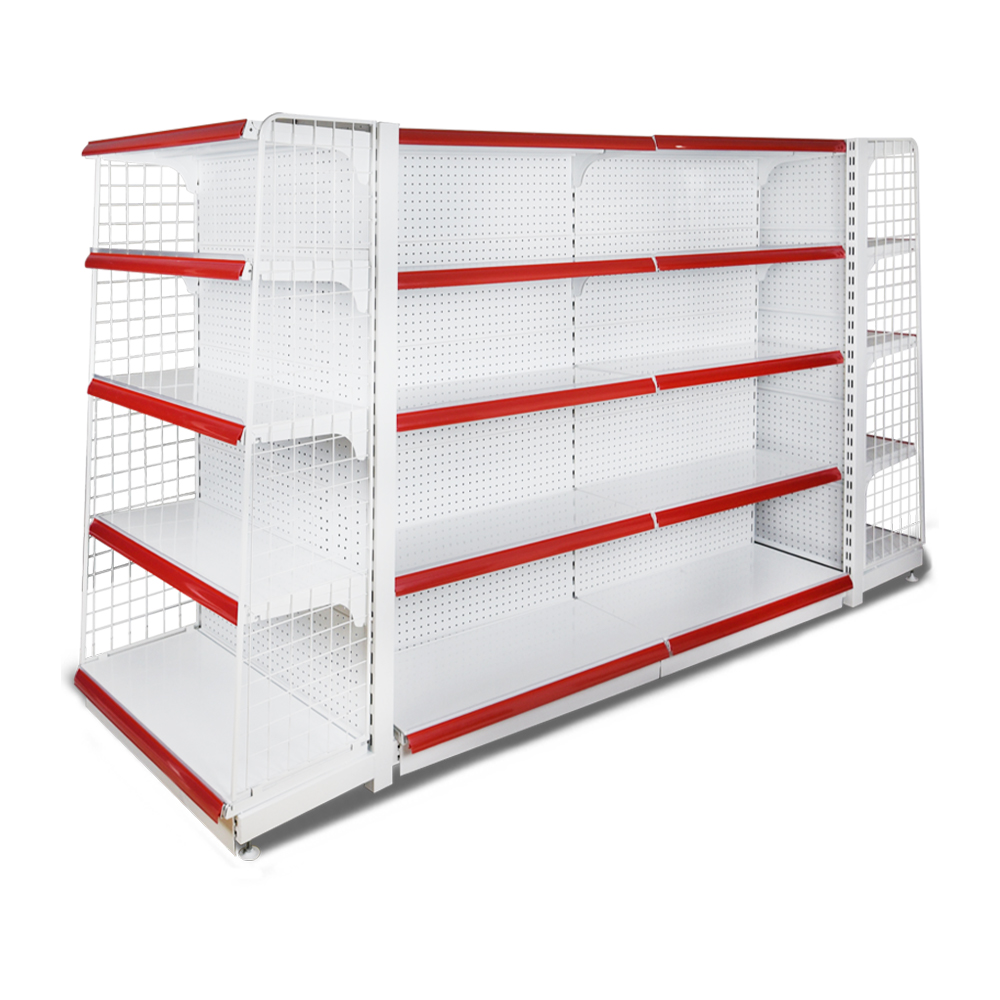 Adjustable Store Rack System for Retail Shop Convenience Store Shelving
【Double-Sided Retail Display Storage Rack】 This innovative retail display rack features a double-side...
-
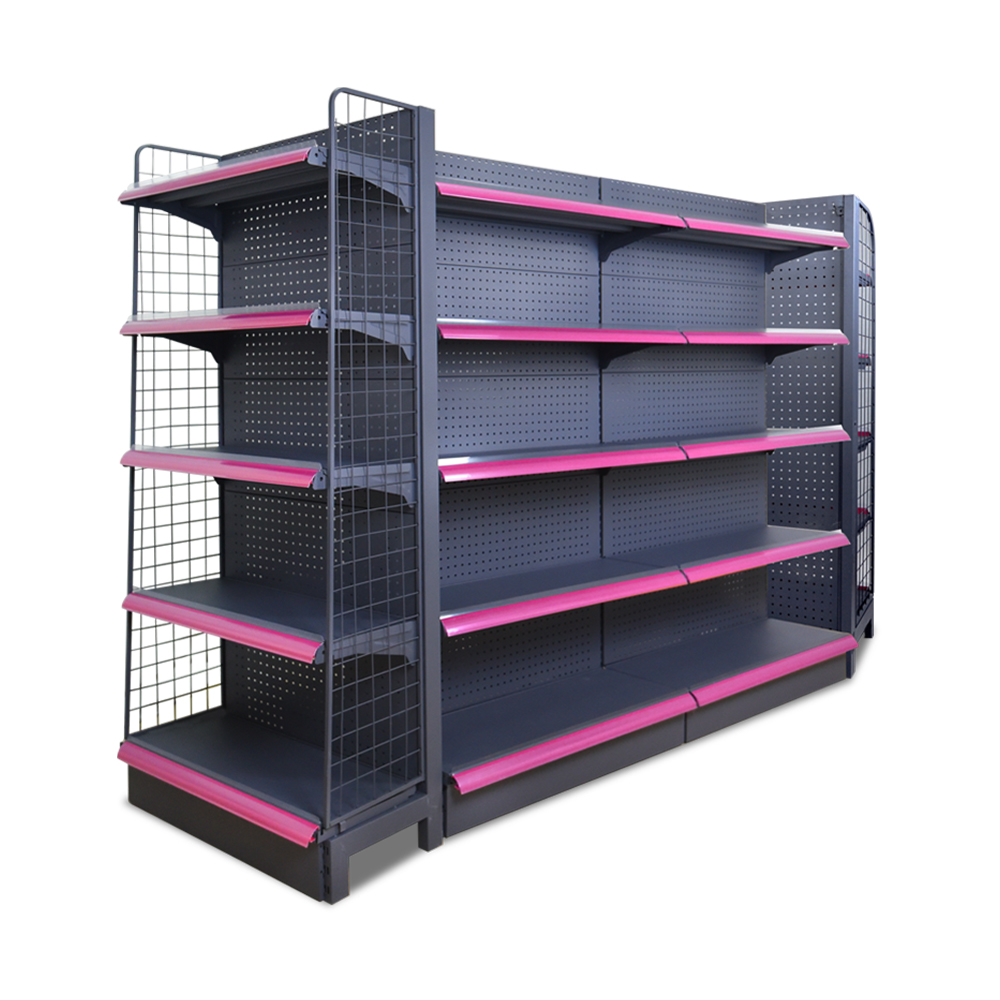 Adjustable Modular Shelving for Retail & Convenience Stores
【Maximize Your Retail Store's Sales Potential】 This double-sided display rack allows you to show...
Supermarket shelves are multi-layer, modular storage and display units designed specifically for retail environments, used to organize and showcase a variety of daily necessities, food, and commodities.
Application Scenarios
Supermarkets, convenience stores, grocery stores, and wholesale markets; suitable for displaying snacks, beverages, daily necessities, toiletries, and packaged foods.
What Sets Us Apart
Who We Are
Better Shelving, Better Business
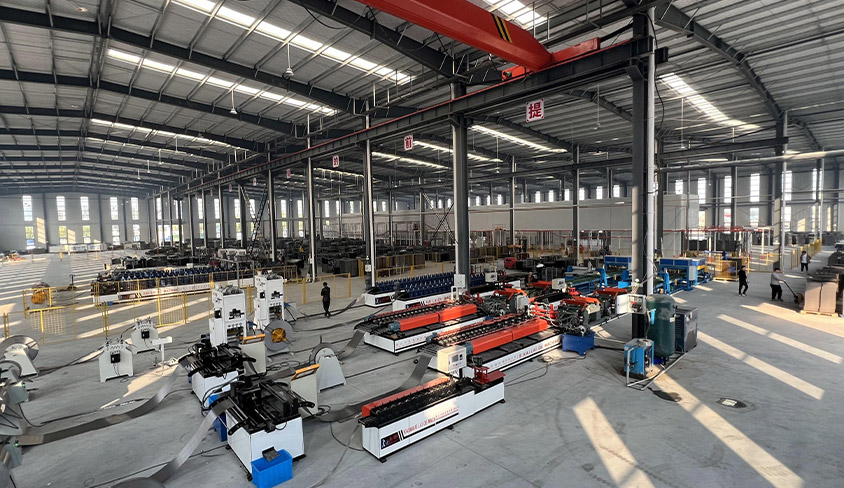
Shanghai King Global Shelf Co.,Ltd. is a leading manufacturer of shelving and storage solutions for
logistics and warehousing. Specializing in home racks, industry heavy-duty shelving, and warehouse
optimization systems. Founded in 2010, we have built strong production capability with a modern facility,
experienced team, and reliable quality control. We are China Supermarket Shelves Supplier and Wholesale Supermarket Shelves Factory, our products are designed to improve display, storage
efficiency, and space utilization for different markets. With stable quality, flexible solutions,
and responsive service, we support customers in both domestic and overseas markets.
About Us


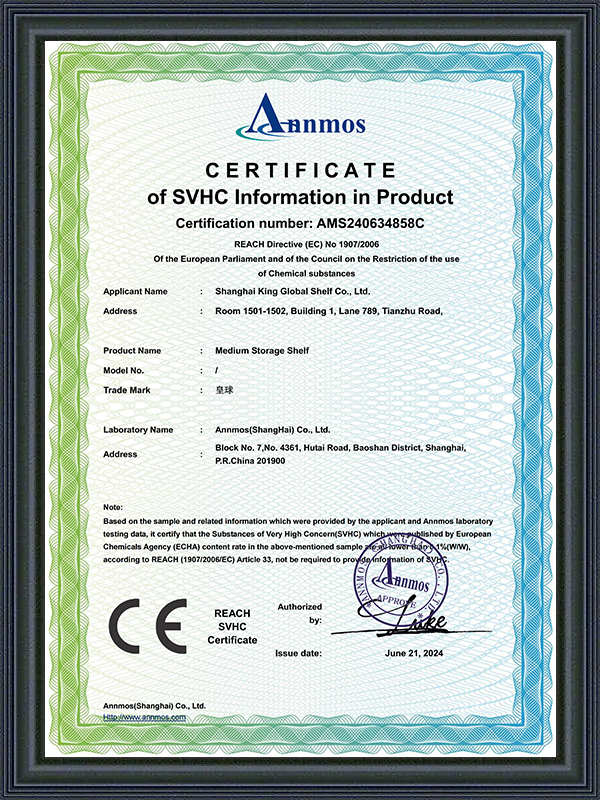
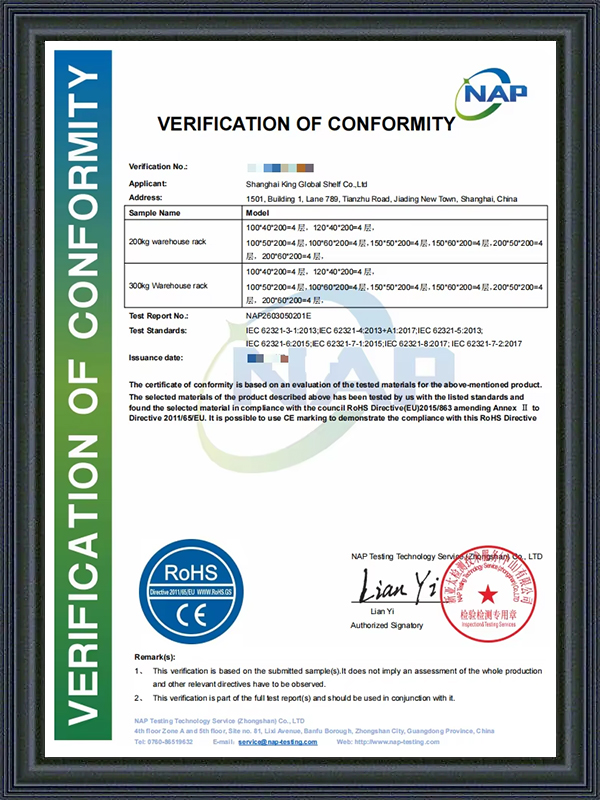
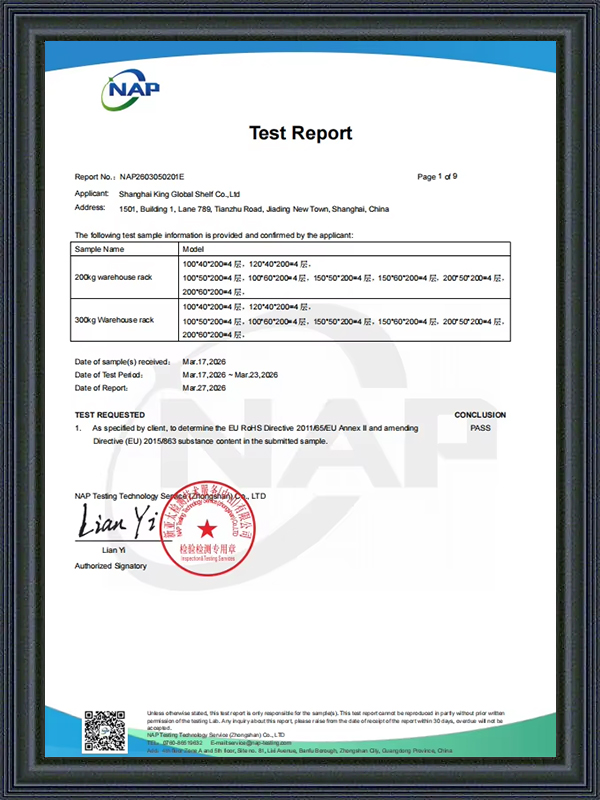
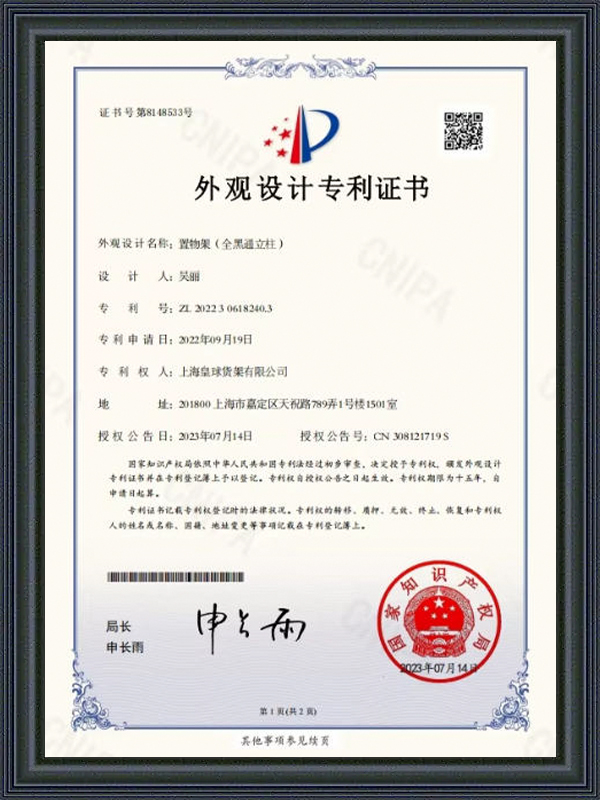
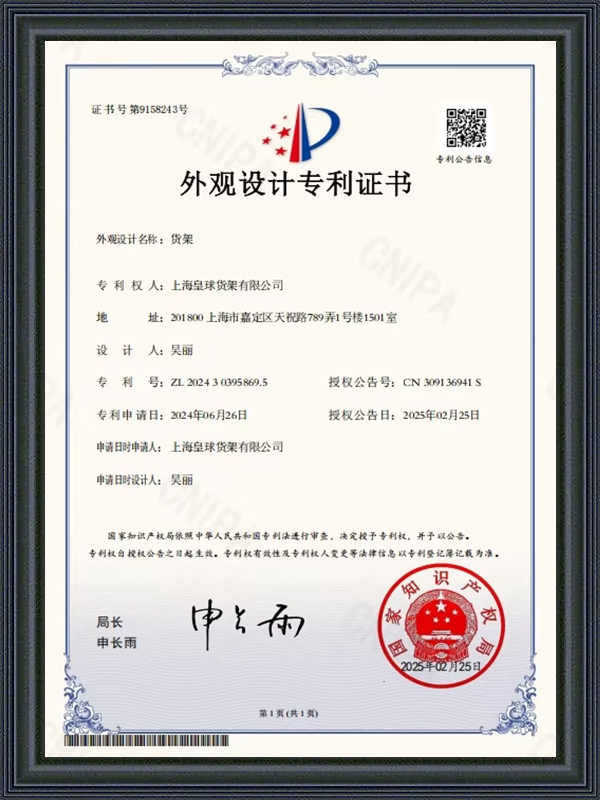
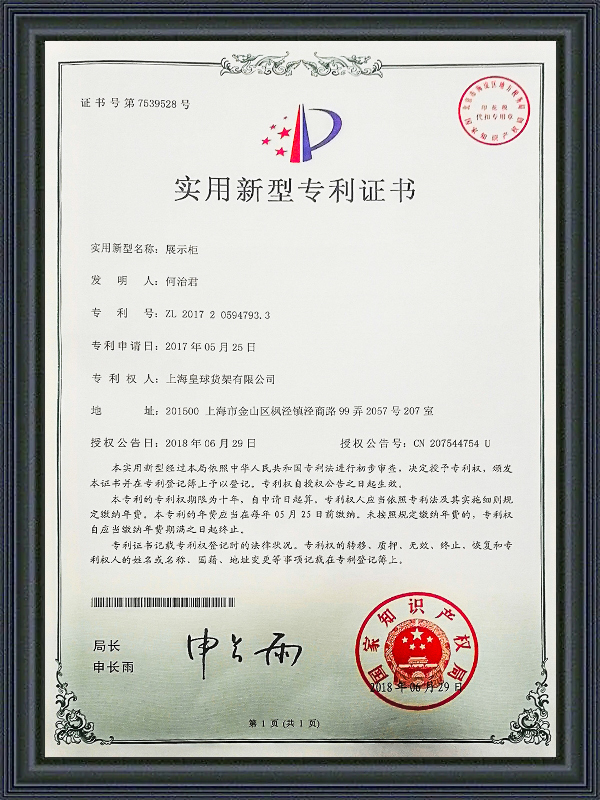
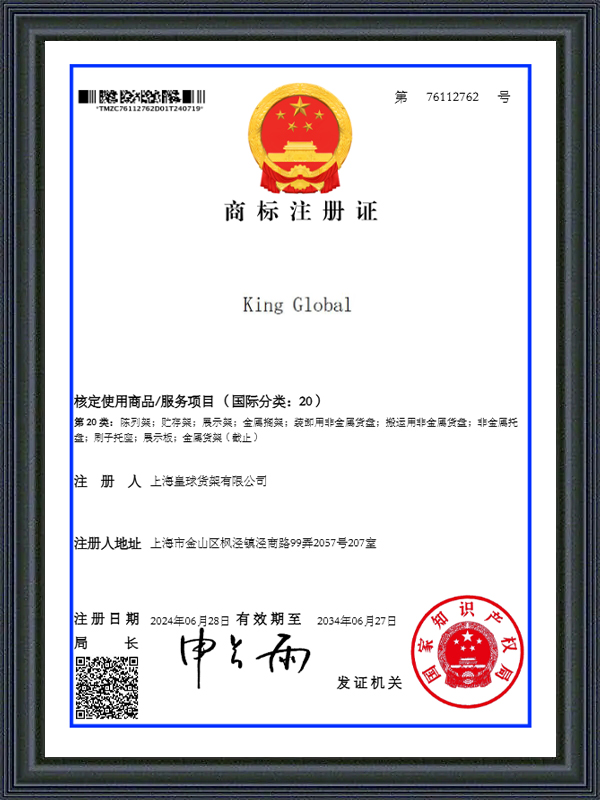
Honor
Certificate Of Honor
-

 2026-06-11
 Company News
-
2026-06-11
Company News
-
2026-06-11
Company News
Feedback
Message Feedback
Knowledge
Supermarket Shelves Industry knowledge
1. スーパーマーケットの棚の概要
スーパーマーケットの棚 は、小売環境向けに特別に設計された多層モジュール式の保管および陳列ユニットであり、さまざまな日用品、包装食品、一般商品をアクセスしやすく整然とした方法で整理して提示するために構築されています。主に大量保管用に設計された倉庫のラックとは異なり、スーパーマーケットの棚は、構造の安定性と、調整可能な棚パネル、値札レール、顧客が棚から直接商品を見て選択できるオープンフロントレイアウトなどのディスプレイ指向の機能を組み合わせています。一般的なスーパーマーケットの棚のフレームは冷間圧延鋼で作られており、さまざまな高さの商品に対応するために位置を変更できる直立柱と水平棚パネルに形成されています。小売環境では、視覚的なプレゼンテーションと床スペースの効率的な使用の両方が必要であるため、スーパーマーケットの棚は、通路に沿った適度にコンパクトな設置面積と製品の視認性のバランスが取れるように設計されています。この構造機能と陳列目的の組み合わせが、スーパーマーケットの棚を、サプライチェーンの初期に使用されていた他のカテゴリの保管機器と区別するものです。
スーパーマーケットの棚の階層構造により、小売業者はカテゴリ、サイズ、または回転率ごとに商品を整理し、頻繁に購入する商品を手の届きやすい高さに配置し、移動の遅い商品や大量の包装された商品のために棚の上段または下段を確保することができます。調節可能な棚パネルは、ほとんどのスーパーマーケットの棚システムに共通の機能であり、年間を通じて製品の品揃えが変化するにつれて、レベル間の垂直方向の間隔を変更できます。この適応性により、小売業者は、基礎となる棚構造を交換することなく、季節のプロモーション、新製品の導入、または全体的な店舗計画の変更に合わせて通路のレイアウトを再構成することができます。
2. 構造設計と動作原理
(1) コアコンポーネント
スーパーマーケットの棚の動作原理はゴンドラ形式のフレームに基づいており、垂直の直立柱が柱の長さに沿ったスロット付き接続ポイントを介して水平の棚パネルを支えます。床レベルのベースプレートは、フレームと保管される製品の合計重量を分散しますが、多くの場合、構造上の剛性を提供するため、また両面ゴンドラユニットでは、背中合わせに配置された 2 列の棚を分離するためにバックパネルが含まれています。シェルフパネル自体は通常、穴あき鋼板または平らな鋼板で形成され、小売店の外観をすっきりさせるためにラミネート表面で仕上げられることもあり、さまざまな高さのスロット付き支柱に引っ掛けるブラケット上にあります。ゴンドラの走行端に配置されるエンド キャップは、プロモーション用のディスプレイや視認性の高い製品の配置をサポートするために、わずかに異なるパネル構成を使用することがよくあります。値札レールやラベル ホルダーは各棚パネルの前端に沿って組み込まれることが多く、買い物客に製品の価格と情報を明確に識別するという小売機能をサポートします。
(2) 棚タイプ間の耐荷重比較
以下の表を確認する前に、一般的なスーパーマーケットの棚構成ごとに耐荷重が一般的にどのように変化するかを理解しておくと役立ちます。この文脈における耐荷重とは、1 つのシェルフ レベルが目立ったたわみなく支えられるおおよその重量を指します。これは、パネルの材質、ブラケットの設計、フレーム全体の厚さによって異なります。一般に、軽い構成はスナックや洗面用具などのコンパクトな品目に適していますが、重い構成は飲料や缶詰製品などのかさばる包装商品をサポートするために作られています。この関係を理解することは、小売業者が棚構成を特定の通路に計画されている特定の製品カテゴリに合わせるのに役立ちます。以下のグラフは、3 つの一般的なスーパーマーケットの棚構成にわたる一般的な棚ごとの負荷範囲を例示的に比較したものです。
上の棒グラフは、一般的なスーパーマーケットの棚構成全体で見られる一般的なパターンを示しており、フレームとパネルの構造がより堅牢になるにつれて棚ごとの耐荷重がどのように増加するかを示しています。図に示すように、壁面陳列棚はこの範囲の下端を占め、通常は 1 段あたり 40 ~ 80 kg の耐荷重をサポートします。これは、コンビニエンス ストアや小型食料品店の周囲の壁に沿って一般的に配置される、スナック、小さな洗面用具、パッケージ商品などの軽量品に適しています。スーパーマーケットで最も広く使用されている構成であるゴンドラ棚は、図の中央を占めており、通常、棚ごとに 80 ~ 150 キログラムの重量に耐えることができ、包装食品、小型の飲料、および中央通路に沿って陳列される一般家庭用品の幅広い組み合わせに適しています。チャートの上部に示されている重い陳列棚は、通常、1 段あたり 150 キログラムを超える重量をサポートし、より頑丈なパネルとブラケット システムを必要とする、複数パックの飲料、缶詰、または袋入りの商品など、よりかさばるまたは密度の高い製品に使用されます。この推移は、3 つの構成で使用されるパネルの厚さとブラケットのかみ合いの深さの違いを反映しており、原理的には他の棚やラックのカテゴリー間で耐荷重がどのようにスケールされるかに似ています。小売業者や卸売市場が通路レイアウトを計画している場合、この比較は、製品カテゴリを特定の棚タイプに割り当てる際に便利な参照点となります。高密度で重い製品ラインを軽量の壁面棚に配置すると、時間の経過とともにパネルのたわみや不安定性が生じる可能性がありますが、店舗全体で軽量の商品のために重い陳列棚を使用すると、機能的パフォーマンスが向上せずに構造コストが不必要に増加する可能性があります。したがって、製品の重量プロファイルを適切なスーパーマーケットの棚構成に適合させることで、構造の信頼性と小売フロアスペースの効率的な使用の両方がサポートされます。上の表は、店舗レイアウト計画の際に、この種のカテゴリと棚のマッチング作業の開始点として機能します。
3. スーパーマーケットの棚の一般的な種類と特徴
スーパーマーケットの棚にはいくつかの異なる形式があり、それぞれが特定の通路の位置、製品の種類、または展示目的に適しています。
- 片面ウォールシェルフ: 店舗の周囲の壁に沿って取り付けまたは配置され、小型アイテムやスペースに制約のあるレイアウトに一般的に使用されます。
- 両面ゴンドラ棚: 自立型ユニットが中央通路に沿って配置され、床スペースを効率的に使用するために両側から棚にアクセスできます。
- エンドキャップ陳列棚: ゴンドラ走行の終点に配置され、買い物客の視認性が高いため、プロモーションや季節限定の製品の配置によく使用されます。
- ワイヤーまたはバスケットの陳列棚: メッシュまたはバスケットのセクションが組み込まれており、個別に包装されたスナック、パン、または農産物に一般的に使用されます。
- 重量のある陳列棚: かさばる商品や密度の高い梱包商品向けの強化パネルとブラケットの設計。
これらの形式はそれぞれ、スーパーマーケットの棚に共通の特徴を共有しています。つまり、構造サポートと明確な製品プレゼンテーションを組み合わせるように設計されたモジュール式の調整可能なフレームであり、小売業者が特定の通路、製品カテゴリー、店舗レイアウトに最適な構成を選択できるようになります。
4. 適用シーンと選定のポイント
(1) コアアプリケーションシナリオ
スーパーマーケットの棚は、整理された商品陳列が日常業務に不可欠なさまざまな小売業や卸売業の現場に適用されています。
- スーパーマーケット: パッケージ化された食品、飲料、日用品を中央通路と周囲の壁全体に整理して陳列します。
- コンビニエンス ストア: 限られたフロア面積内にスナック、ドリンク、小さな家庭用品をコンパクトに陳列します。
- 食料品店: パッケージ化された商品とばら売りの商品を組み合わせて販売し、ゴンドラの棚とバスケットやワイヤーのセクションを組み合わせることがよくあります。
- 卸売市場: 棚あたりの耐荷重がより高いことが必要な場合が多い、大量の包装された商品やトイレタリーを展示します。
(2) 選定基準の概要
スーパーマーケットの適切な棚構成を選択するには、小売業特有のいくつかの要素を相互に比較検討する必要があります。以下のレーダー チャートは、小売店の陳列と保管の棚オプションを比較するときに使用される、一般的に参照される 5 つの評価次元の概要を示しています。このビジュアルは、特定の製品の評価ではなく、一般的な教育の参考として意図されており、スーパーマーケットの棚カテゴリ全体に広く関連する特徴を反映しています。これらのディメンションを一緒に確認すると、特定の店舗レイアウトや製品構成にどの構成が適しているかを明確にすることができます。 5 つの側面には、ディスプレイの視認性、スペース効率、耐荷重、耐久性、さまざまな製品カテゴリにわたる汎用性が含まれます。
上のレーダー チャートは、一般的なスーパーマーケットの棚が、各軸の最大可能範囲と比較して、一般的に参照される 5 つの評価次元にわたってどのようにスコアリングされるかを示しています。影付きの領域が示すように、ディスプレイの可視性は比較的強力な属性として表されており、ほとんどのスーパーマーケットの棚構成に共通するオープンフロント パネルの設計を反映しており、製品がはっきりと見え、買い物客がアクセスできる状態を維持します。スペース効率も、特に両面ゴンドラ棚の場合に顕著に現れます。これにより、中央通路に沿って 2 列の製品展示が単一の自立構造を共有できるようになります。調整可能な棚パネルを使用すると、棚ブラケットの位置を変更するだけで、小さなトイレタリー用品から大きな梱包品まで、同じフレームで幅広いサイズの製品に対応できるため、適度に高い汎用性が示されます。耐荷重はグラフの中央付近にあり、大量の倉庫のラックに関連する高い構造負荷よりも、アクセスしやすい製品の陳列を優先するスーパーマーケットの棚の一般的な目的を反映しています。耐久性は中程度のレベルで表されており、ほとんどのゴンドラフレームに共通する鋼構造と一致しており、全体の構造を工業的な外観ではなく視覚的にアクセスしやすくするために使用されている軽量パネル設計とバランスが取れています。小売業者が独自のレイアウトの優先順位をこのようなチャートにマッピングすると、特定の通路または製品カテゴリーを最もよくサポートする棚構成を特定することが容易になります。たとえば、飲料と缶詰専用の通路は積載量を優先し、重い陳列棚を指す場合がありますが、トイレタリー用の外周通路は陳列の視認性とスペース効率を優先し、代わりに標準的な壁またはゴンドラの棚を指す場合があります。このタイプの比較視覚化は、店舗レイアウト設計時の実用的な計画ツールであり、棚構成と特定の場所向けの製品との間の不一致を回避するのに役立ちます。また、スーパーマーケットの棚は、他の棚カテゴリと同様に、単一の要素だけではなく、いくつかの運営上の優先事項を組み合わせて検討することで最適に選択されることも裏付けられます。
5. スーパーマーケットの棚構成の比較
以下の表は、いくつかの実用的な寸法にわたる一般的なスーパーマーケットの棚構成の一般的な違いをまとめたもので、小売業者が利用可能なオプションを比較する際の参考となります。
| 構成 | 棚ごとの負荷 | 一般的な配置 | 一般的な製品 |
|---|---|---|---|
| 壁飾り棚 | 40~80kg | 外周壁 | スナック、トイレタリー、小型包装品 |
| ゴンドラ棚 | 80~150kg | 中央通路 | 包装食品、飲料、家庭用品 |
| 重量のある陳列棚 | 150~250kg | バルク品通路、卸売市場 | マルチパック飲料、缶詰および袋詰め商品 |
表に示されているように、スーパーマーケットの各棚構成は、積載量と陳列機能の間の異なるバランスを反映しています。そのため、ほとんどの店舗では、フロア プラン全体で単一の均一な棚タイプを使用するのではなく、異なる通路にまたがる構成を組み合わせて使用しています。
6. Shelf Height Adjustment Principles
Most supermarket shelf systems allow the vertical spacing between shelf panels to be adjusted, accommodating products of different heights within the same gondola frame. Before reviewing the line chart below, it is useful to understand that supermarket shelf uprights typically include a series of slotted connection points spaced along their height, into which shelf brackets are hooked at the desired level. These connection points allow shelf panels to be raised or lowered depending on whether the aisle is displaying shorter items such as canned goods or taller items such as beverage bottles or boxed products. The chart illustrates how the number of available connection points relates to the range of practical shelf height configurations across a typical gondola upright. This adjustability is a defining feature that allows retailers to reconfigure aisles for new product lines without replacing the shelf structure itself.
The line chart above shows a general upward relationship between the number of connection points along a supermarket shelf upright and the number of usable shelf height configurations available to store staff. As the chart demonstrates, an upright with only a small number of connection points restricts shelf spacing to a limited number of fixed positions, which may be adequate for an aisle displaying a single uniform product size but limiting for one carrying a varied assortment. As the number of connection points increases, represented along the horizontal axis, the number of practical shelf configurations rises correspondingly, shown by the upward trend of the line. This relationship is particularly relevant to supermarkets and grocery stores that regularly rotate product assortments in response to seasonal demand or new product introductions, since a finely adjustable shelf allows store staff to reconfigure an aisle quickly rather than requiring new equipment. A convenience store carrying a narrow, consistent product range may not require extensive adjustability, while a larger supermarket managing thousands of distinct SKUs across varying package sizes benefits significantly from shelving offering a wider range of height positions. The chart also shows the trend continuing to rise steadily across the full range presented, suggesting that finer adjustment intervals continue to add practical value rather than reaching an early plateau. In typical installations, connection points on a supermarket shelf upright are spaced at regular intervals, allowing store staff to reposition shelf brackets without specialized tools during routine merchandising updates. This adjustability also supports better use of vertical aisle space, since shorter products can be placed on closely spaced shelves without leaving excess unused clearance above them. From an operational standpoint, faster shelf reconfiguration reduces the labor time associated with seasonal resets or promotional layout changes. Retailers that frequently update product placement based on sales performance or promotional calendars tend to place a higher priority on this type of adjustability when selecting shelf systems. Overall, the chart reinforces why shelf height adjustability is frequently highlighted as a practical advantage of modern supermarket shelf systems.
7. Maintenance Guidance for Supermarket Shelves
Routine maintenance helps preserve both the structural stability and the visual presentation quality of supermarket shelves, which are handled frequently by both staff and shoppers throughout the day. Before reviewing the column chart below, it is worth outlining the general inspection categories commonly scheduled for retail display shelving. These categories range from simple visual and cleanliness checks performed frequently to more detailed structural reviews performed less often. Understanding the relative frequency of each inspection type helps store staff plan a maintenance routine suited to daily foot traffic and restocking activity. The chart below presents a general illustration of how often each inspection category is commonly scheduled within a calendar year.
The column chart above provides a general overview of how frequently different inspection categories are commonly scheduled for supermarket shelves in a typical retail environment. Visual and cleanliness checks appear as the most frequent category, often performed multiple times per week or even daily, since shelf surfaces are in constant contact with restocked merchandise, price labels, and shopper handling, making regular tidying and inspection a routine part of store operations. Bracket checks are shown at a lower frequency, commonly reviewed quarterly, focusing on whether shelf brackets remain securely hooked into the upright slots and whether any panels show signs of shifting or uneven loading. Frame stability checks, which involve a closer look at the overall gondola structure, back panels, and base plate condition, are depicted at an even lower frequency, often reviewed twice a year as part of broader store maintenance planning. Deep inspection, representing the most thorough review of the entire shelving system, including load bearing components and structural joints, is shown at the lowest frequency, typically conducted once annually or after a significant store layout change. This general pattern reflects a common approach to maintaining retail display shelving, where lighter and more frequent checks focused on appearance and restocking are paired with less frequent but more detailed structural reviews. Following a routine along these lines can help identify early signs of wear, such as loose brackets, panel sagging, or surface damage from repeated restocking, before they affect product presentation or shelf stability. Keeping shelf surfaces clean also supports the retail function of supermarket shelves by maintaining a presentable appearance for shoppers throughout the day. Store staff who document inspection dates and observations over time tend to build a clearer picture of how a particular shelving system performs under the specific foot traffic and restocking pattern of their location. This kind of structured maintenance approach supports the long term reliability of supermarket shelves across continuous daily retail operation.
8. Manufacturing Background and Production Considerations
The performance of supermarket shelves depends heavily on panel flatness, bracket precision, and surface finish quality, since these details directly affect both structural stability and the visual presentation shoppers see in-store. Shanghai King Global Shelf Co., Ltd., established in 2010, has developed production capability centered on shelving and storage solutions across multiple markets, supporting retailers seeking consistent panel dimensions and reliable bracket engagement for gondola and display shelving. Facilities sourcing retail shelving benefit from stable manufacturing processes, since even minor variations in panel thickness or bracket tolerance can affect how evenly a shelf load is distributed or how smoothly panels adjust during merchandising updates. Corrosion resistant surface finishing is also a relevant consideration for supermarket shelves, particularly in humid climates or store formats with frequent cleaning routines that expose steel components to moisture over time. A stable production process supports the layout planning discussed earlier in this article, since predictable frame and panel dimensions make it easier for store planners to calculate aisle spacing and shelf counts during a store design or renovation project. Beyond the physical shelving components, layout consultation support can help align a retailer's specific merchandising plan with an appropriate mix of wall, gondola, and end cap shelving before installation begins.
9. Frequently Asked Questions
(1) What is the typical load capacity of supermarket shelves?
Load capacity varies by configuration, with wall display shelves typically supporting 40 to 80 kilograms per level, gondola shelves supporting 80 to 150 kilograms, and heavy display shelves accommodating 150 kilograms or more depending on panel and bracket design.
(2) How are supermarket shelves different from warehouse racking?
Supermarket shelves are designed for open, accessible product display with features such as price tag rails and adjustable panels, while warehouse racking is primarily engineered for bulk storage and does not typically prioritize front-facing product visibility.
(3) Can the shelf height be adjusted after installation?
Most supermarket shelf systems use slotted uprights with multiple connection points, allowing shelf panels to be raised or lowered to accommodate different product heights as store assortments change.
(4) What settings commonly use supermarket shelves?
Supermarket shelves are commonly used in supermarkets, convenience stores, grocery stores, and wholesale markets for displaying snacks, beverages, daily necessities, toiletries, and packaged foods.
(5) How often should supermarket shelves be inspected?
Visual and cleanliness checks are commonly performed frequently, such as daily or several times a week, while more detailed bracket and structural reviews are typically scheduled at longer intervals, such as quarterly or annually, depending on store traffic.
10. Summary
Supermarket shelves provide a practical, adjustable storage and display solution across supermarkets, convenience stores, grocery stores, and wholesale markets, balancing structural support with clear product presentation. Their various configurations, from lightweight wall shelving to reinforced heavy display shelving, allow retailers to match shelf selection to specific product categories, load requirements, and aisle layouts. Understanding the structural principles, common types, selection criteria, and maintenance practices associated with supermarket shelves supports more informed decision making when planning retail storage and merchandising operations.
Get exclusive deals and early access to new products.
Experienced staff and experts are always available to provide you with professional guidance and solutions to technical problems.
Mobile
-
Quick Links
Home Products Cooperation Cases Company Service News Contact Us -
Product
Warehouse Rack Pallet Racking Mezzanine Racking Cantilever Racks Supermarket Shelf Office & Home Shelves -
Contact Us

E-mail: liwu78465@gmail.com

WhatsApp: 8613761540945

China Tel: +86-13761540945
Thailand Tel: +66 99 109 1956 (Line Same)
Thailand Tel: +66 92 242 5845 (Line Same)

China Address:Room 1501, Building 1, Lane 789, Tianzhu Road, Jiading District, Shanghai, China.
USA Address: 23787 Eichler St, Unit G, Hayward, CA 94545.
Malaysia Address: METROHUB 2 Warehouse 4, Lot 109363, Persiaran Bukit Rajakayangan/KU5,Bandar Bukit Raja, 41050 Klang, Selangor Darul EhsanReturn to Gate 81, Malaysia.
Thailand Address:จังหวัดสมุทรปราการ อำเภอบางเสาธง ตำบลบางเสาธง 32/7 หมู่7 ถนนบางพลี-ตำหรุ บางพลีใหญ่ Bang Phli District, Samut Prakan 10540,(TH)
